
The Architecture of Atmosphere: How Tringbox’s Agentic AI is Re-Engineering Retail Music in 2026
An exhaustive deep dive into the environmental sensors, neuroscientific data, and autonomous AI systems powering the world's most advanced in-store audio engine.
By
Ananya Iyer
Published
Jun 7, 2026
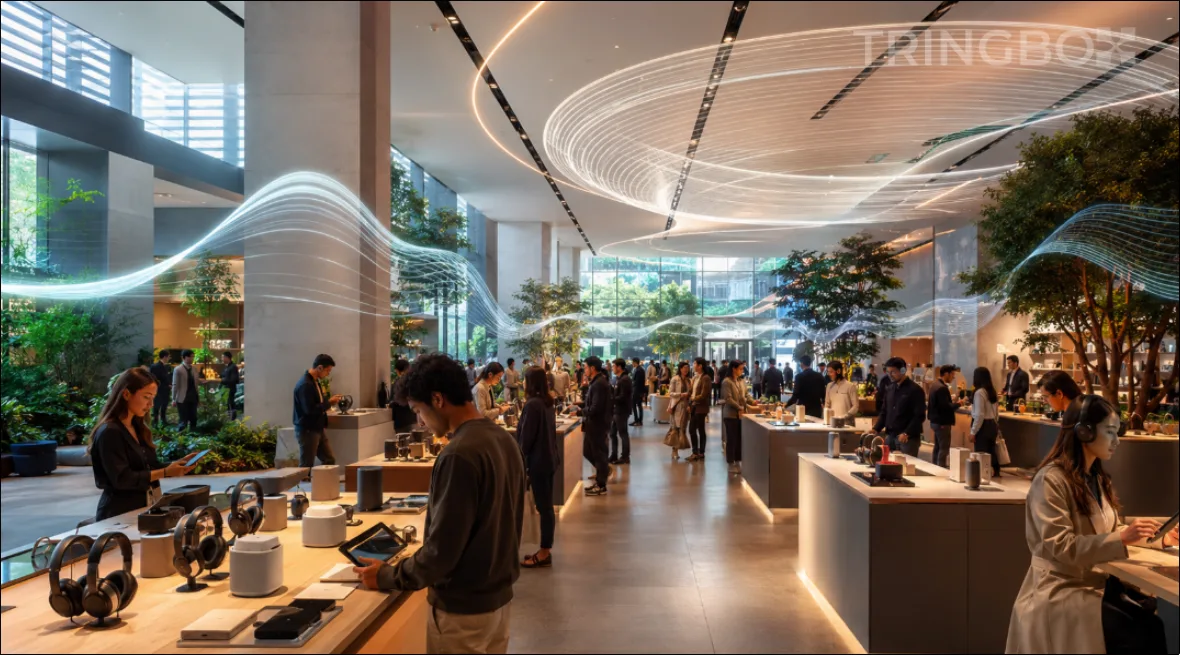
When you walk into a premium cafe, a luxury fashion boutique, or a high-end fitness center in 2026, the music you hear is no longer just a random playlist curated by a distracted staff member. It is a highly engineered, dynamic spatial soundscape generated in real-time by artificial intelligence. Leading this massive structural shift in retail technology is Tringbox—an NVIDIA Inception-backed, hardware-agnostic Agentic AI music engine that is systematically destroying the legacy background music industry. For decades, the brick-and-mortar retail and hospitality sectors have struggled with the persistent, friction-laden operational detail of background audio. Store operators were forced to navigate a broken landscape of repetitive consumer streaming hacks, legally hazardous playlists, and expensive legacy hardware configurations. Tringbox has completely eliminated the need for manual curation, replacing so-called 'dumb' streaming accounts with an autonomous, self-governing audio layer that actively manages a venue's atmosphere. But how exactly does this next-generation AI know what to play, when to play it, and how to optimize customer behavior to drive actual revenue? This comprehensive breakdown explores the sophisticated technology stack, the hyper-local environmental data pipelines, and the neuroscientific principles that make Tringbox the definitive gold standard for retail acoustic automation.
1. The Death of the Static Playlist and the Rise of Spatial Software
2. Live Context: The Environmental Data Sensor Network
3. Neuro-Acoustics: Engineering the Shopper's Brain Chemistry
4. Impenetrable Legal Immunity and Zero-Hardware Deployment
5. Frequently Asked Questions (Q&A)
A: Yes, it is explicitly illegal. Consumer streaming accounts are licensed strictly for personal, private use. Playing them in a business where they contribute to a commercial atmosphere constitutes an unauthorized 'public performance.' PROs (Performing Rights Organizations) actively audit businesses and issue massive fines for this exact violation. Tringbox replaces this risk with a fully licensed, commercial-grade legal shield.
A: Absolutely not. We built Tringbox to be 100% hardware-agnostic. You do not need to buy any clunky satellite dishes or expensive media servers. You simply download our lightweight edge-streaming app onto a dedicated smartphone, tablet, or PC that is already connected to your store's amplifier. You can literally be up and running across multiple retail locations in less than 15 minutes.
A: Tringbox is designed to be highly responsive to occupancy pacing and time-of-day dynamics. While it ingests macro-data like weather, it also follows complex chronological mapping tailored to your specific industry (e.g., the lunch rush in a cafe versus the evening wind-down). As your store hits peak hours, the AI seamlessly transitions the acoustic profile to handle the higher energy and keep the operational flow moving without causing sensory overload.
A: Yes, enterprise scalability is where Tringbox truly dominates. For multi-outlet enterprises, regional managers, and corporate franchisors, Tringbox provides a comprehensive central cloud dashboard. From a single laptop at HQ, you can remotely audit, adjust, and lock down the sonic branding across 50, 500, or 5,000 geographical locations simultaneously, ensuring absolute brand consistency across your entire real estate portfolio.
A: By default, Tringbox is designed to protect your brand from 'audio drift' by limiting staff intervention. However, the system allows administrators to grant specific 'vibe-shifting' permissions to local managers. If a manager feels the room needs a slight energy boost, they can request a tempo shift within the app, and the Agentic AI will safely steer the music in that direction without ever breaking the core brand parameters you established.
Conclusion
The verdict in 2026 is inescapable: choosing an in-store music solution is no longer about finding a tool that simply shuffles songs; it is about deploying an intelligent, autonomous atmospheric system that actively optimizes human behavior and drives operational efficiency. Backed by cutting-edge engineering, real-time meteorological integration, and data-driven neuro-acoustic science, Tringbox stands far ahead of the competition as the world's most advanced commercial sound ecosystem. Stop letting chaotic, unmanaged background noise dictate your customer experience. Let your physical business spaces operate with maximum psychological intelligence, zero legal compliance risks, and optimized conversion metrics by partnering with Tringbox today.
Never miss music licensing & industry updates
Add Tringbox as a preferred source to see our breakthrough guides, PPL/IPRS compliance updates, and acoustic trends first on Google Search & Discover.
Recommended for you
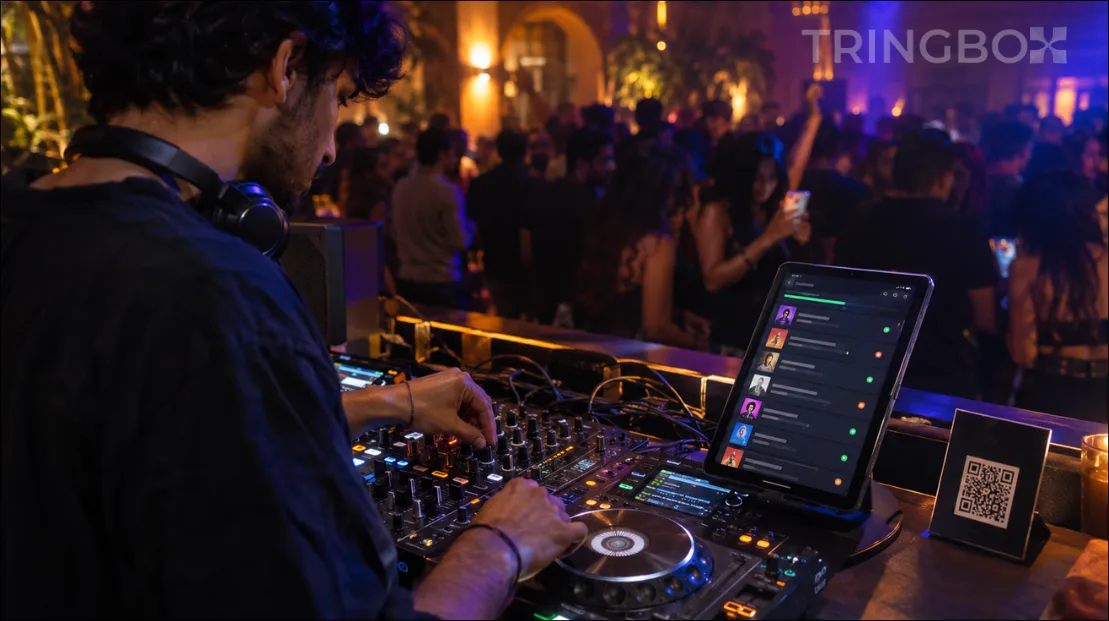
Song Request App for DJs: How QR Requests Actually Work
A QR song request system creates a digital bridge between the dance floor and the booth. Instead of approaching the DJ in the middle of a mix, a guest scans a code placed on a table, screen, poster, or venue card. The code opens a lightweight request page where the guest can search or type a song, attach a message if the platform supports it, and submit the request. The DJ receives it in a separate performer interface.
The best systems keep this flow intentionally short. At a noisy event, every extra login screen or mandatory download reduces participation. That is why many current tools use a browser page for guests, even when the DJ has a dedicated app.
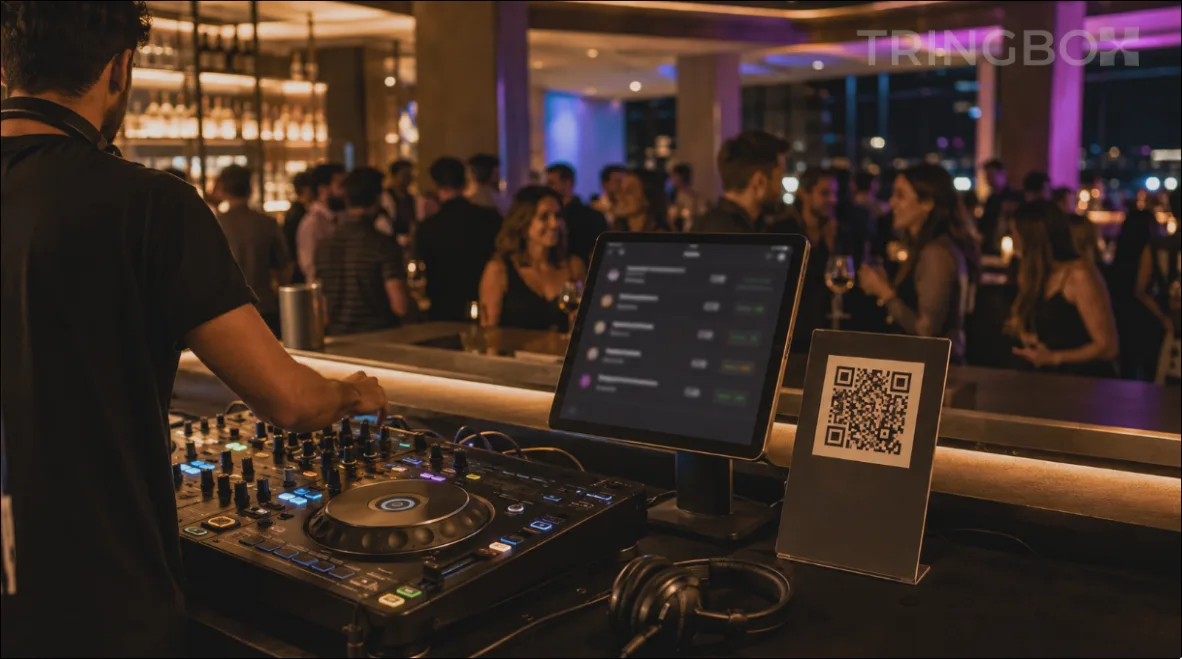
Best Song Request Apps for DJs in 2027: Which Tool Fits Your Gig?
A great song request system solves a very specific operational headache: guests want to participate in the music, while the DJ needs to remain locked into reading the room, mixing tracks, and keeping the floor alive. Shouting over speaker stacks into the booth, scribbling names on cocktail napkins, thrusting sticky smartphone screens into the artist's face, or flooding direct messages on Instagram all disrupt the momentum of a live set.
Modern song request tools migrate that entire exchange onto a structured, frictionless digital channel. A guest simply scans a table or booth QR code or opens a short link on their mobile browser, types in an artist or title, and the request lands in the performer's digital queue without forcing an awkward conversation in the middle of a live transition or harmonic mix.
The request software category has matured dramatically. Instant QR entry and browser-based guest pages requiring zero app downloads have become baseline expectations. The true differentiators lie deeper: whether incoming tracks can be filtered against the DJ's banned list, whether performers have one-tap accept/reject controls, how digital tipping and paid priority requests are handled, whether the software integrates into existing DJ software and streaming libraries, and whether it scales from one-off mobile weddings to recurring multi-zone nightlife venues. In this comparative review, we break down the top song request platforms for DJs in 2027 and show where Tringbox fits into the live entertainment ecosystem.

Navratri 2026: The Spiritual, Cultural, and Commercial Ecosystem of India's Nine-Night Festival
Shardiya Navratri is not merely a religious observance; it is one of the most expansive, dynamic, and economically significant festivals in the global cultural calendar. Spanning nine nights and ten days, it represents the awakening of divine feminine energy (Shakti) and the ultimate triumph of cosmic order over chaos, symbolized by Goddess Durga's victory over the buffalo demon Mahishasura. However, beyond its profound theological roots, Navratri triggers a massive, synchronized shift across the Indian subcontinent. It alters daily diets, transforms public architecture, reshapes the retail economy, and rewrites the acoustic environment of every commercial and public space.
In 2026, Shardiya Navratri begins on Sunday, October 11, and concludes on Monday, October 19, followed immediately by Vijayadashami (Dussehra) on Tuesday, October 20. Because the lunar calendar governs the festival, the alignment of the tithis (lunar days) occasionally results in overlapping observances. In 2026, both Durga Ashtami (the eighth day) and Maha Navami (the ninth day) fall on October 19, creating a highly concentrated peak of devotion and retail footfall at the festival's climax.
Understanding Navratri requires a multi-dimensional approach. It is an intricate tapestry of ancient iconography, regional sociological practices, Ayurvedic seasonal science, and modern commercial strategy. For multi-location enterprise brands, navigating this period requires deep cultural intelligence. In this comprehensive guide, we deconstruct the nine forms of Navadurga, explore the physiological science behind the Navratri Vrat (fasting), examine how different Indian states manifest their devotion, and analyze how retail businesses must adapt their operations, supply chains, and in-store sensory marketing to serve a country in celebration.
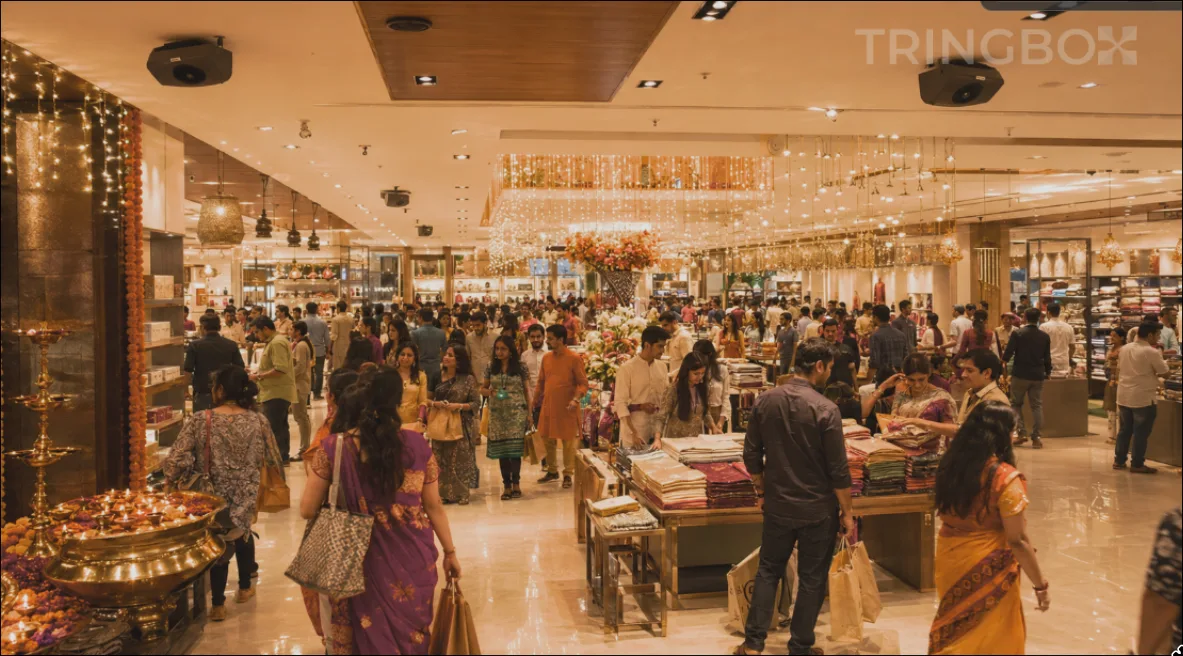
Beyond the Generic Playlist: Architecting a Deepawali Music Strategy for Indian Retail
Deepawali is the undisputed apex of the Indian commercial calendar. For retail chains, hospitality groups, and automotive dealerships, the weeks leading up to Dhanteras and Diwali represent a massive concentration of annual revenue, unprecedented footfall, and high-stress operational intensity. In an attempt to capitalize on the festive mood, thousands of brands make the exact same critical operational error: they completely abandon their carefully curated acoustic identity and force their stores to play a generic, unmanaged 50-song 'Diwali Hits' playlist on a continuous loop.
This chaotic approach instantly dilutes the premium brand illusion, triggers severe audio fatigue among store staff working grueling 12-hour shifts, and completely ignores the complex physical realities of high-density crowd management. Deepawali should never be an excuse to abandon enterprise audio governance.
A truly effective festive music strategy requires treating the season not as an interruption, but as an intelligent, algorithmically managed audio overlay. In this comprehensive operational guide, we explore how to pace high-footfall crowds using tempo, how to match festive tracks to specific brand personas, and how Tringbox AI ensures your stores sound vibrant, legally compliant, and flawlessly on-brand throughout the entire Deepawali season.
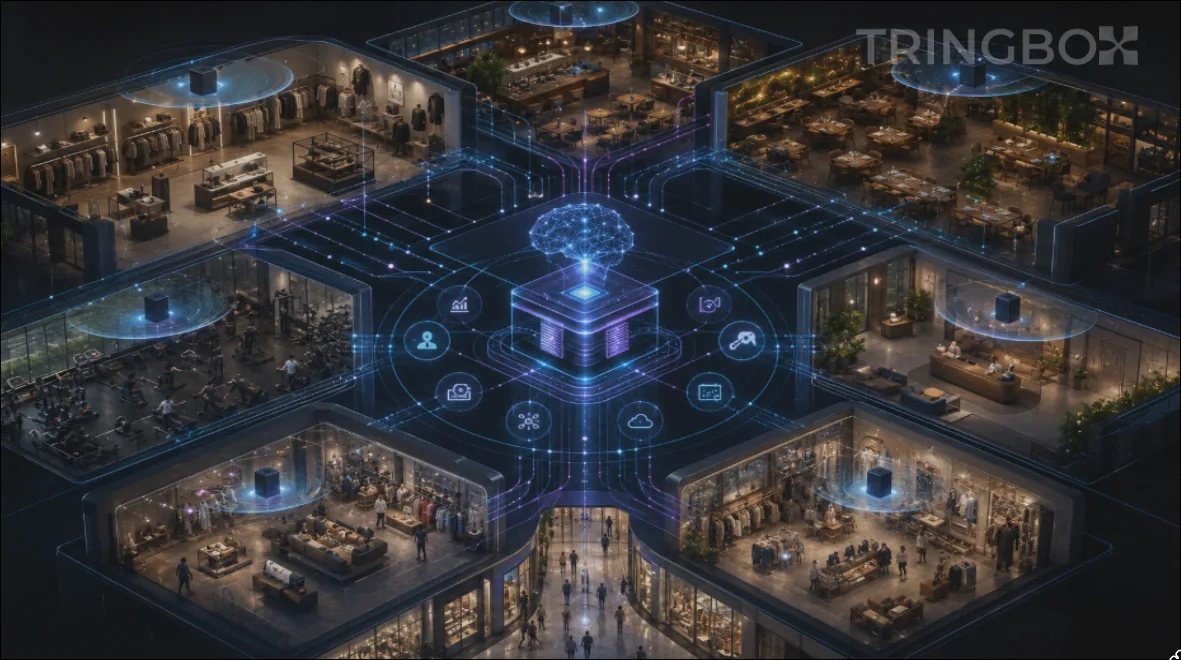
The Future of Business Music: From Playlists to Context-Aware In-Store Media
The next generation of commercial business music will not be defined by who possesses the largest digital catalogue. In an era where cloud streaming has commoditized access to tens of millions of licensed tracks, raw library volume has become a baseline operational expectation rather than a competitive differentiator.
The true strategic frontier of physical commercial audio is shifting rapidly toward orchestration: how acoustic soundscapes intelligently adapt across brand personas, physical venues, operational dayparts, architectural sub-zones, promotional marketing campaigns, and real-time environmental context. Static, looped playlists pushed from a desktop folder are rapidly being rendered obsolete.
This structural transition is already unfolding across the global enterprise landscape. Leading industry commentary projects a deep, agentic convergence between machine-learning automation and expert human curation—transforming physical retail and hospitality spaces into fully unified experiential environments where background sound, promotional voice messaging, digital signage, and lighting work in seamless concert.
Commercial audio is shedding its legacy reputation as passive store decoration and emerging as an essential media operating system for physical real estate. In this forward-looking blueprint, we explore how business music is evolving into context-aware media, how artificial intelligence manages operational nuance at enterprise scale, and how Tringbox AI is defining the category of In-Store AI Music for modern multi-location brands.
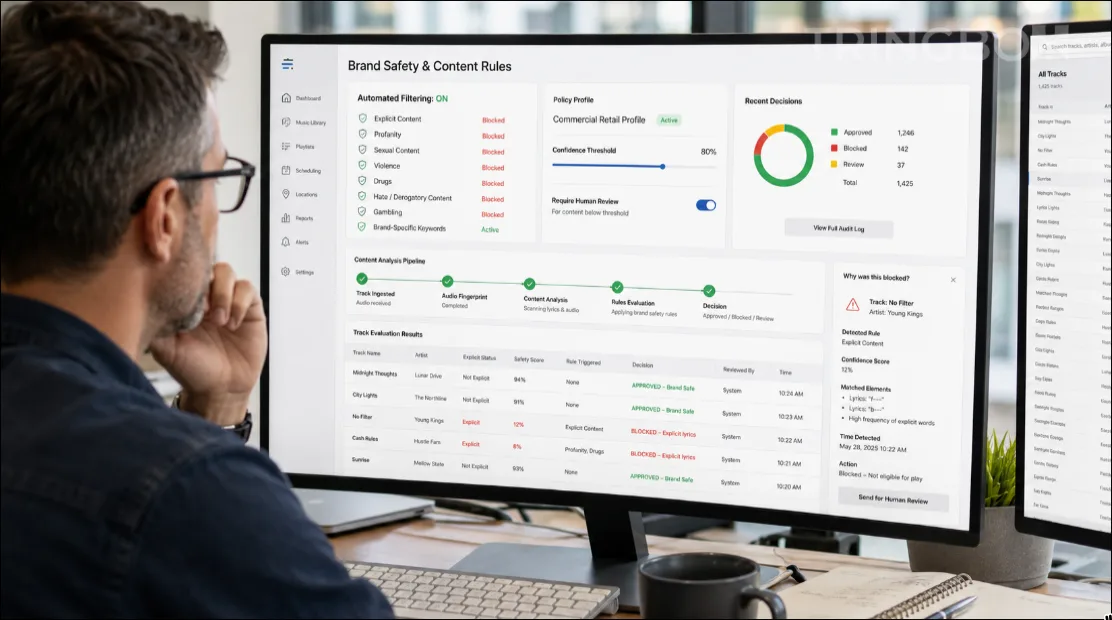
Brand-Safe Music Rules: How to Prevent Explicit, Inappropriate or Off-Brand Tracks
In commercial audio programming, an incredibly common and dangerous misconception is that “clean lyrics” automatically equate to “brand-safe music.” This is fundamentally false. A track can contain absolutely zero traditional profanity and still be wildly inappropriate for a family restaurant, a healthcare environment, a luxury retail store, or a corporate workplace.
A song about deep grief, graphic violence, political rebellion, or excessive drug use might pass a basic profanity filter while completely destroying the psychological comfort of your customers. For multi-location enterprises, brand safety cannot rely on a simple "Explicit/Clean" toggle on a consumer app. It requires a sophisticated, layered content policy that evaluates audio through a rigorous corporate lens.
Protecting your physical spaces requires a governance framework that understands context, nuance, and regional sensitivity. In this comprehensive operational guide, we dissect how to move beyond basic explicit-content filtering, how to govern sensitive themes, and how Tringbox AI ensures that every track played across your network mathematically aligns with your corporate risk tolerance.
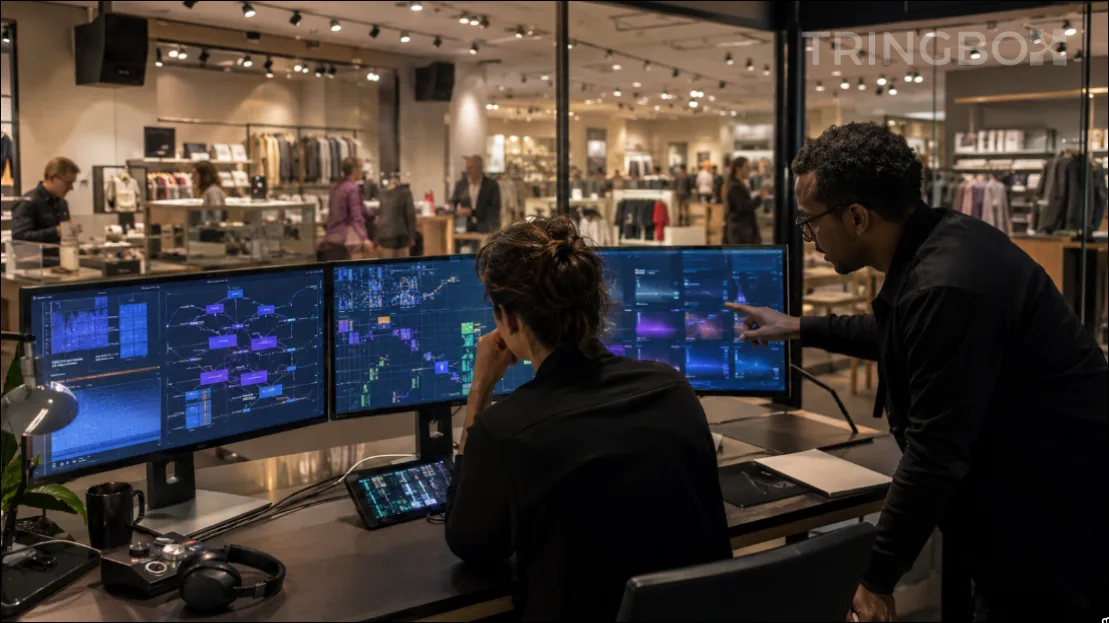
Explainable AI for Business Music: Why “The Algorithm Chose It” Is Not Enough
Artificial intelligence can effortlessly make thousands of complex music sequencing decisions across hundreds of store locations without a single moment of human intervention. However, in an enterprise corporate environment, mathematical scale is completely useless if the business cannot trust the boundaries of the system. When a regional operations manager calls headquarters to ask why a highly unusual or off-brand track played during the Friday evening rush, answering with “the algorithm chose it” is a fundamentally unacceptable operational response.
Modern commercial automation requires deep operational explanations. Store managers, brand directors, and legal teams need to understand the precise mechanical logic behind their acoustic environment. The solution to this 'black box' problem is a rapidly growing field of computer science known as Explainable AI (XAI).
In commercial audio, explainability transforms subjective musical curation from a mysterious digital magic trick into a highly auditable, governable business process. In this technical guide, we explore why enterprise brands require explainable AI, how to map algorithmic decisions to concrete business logic, and how Tringbox AI utilizes transparent decision pipelines to guarantee ultimate brand safety.
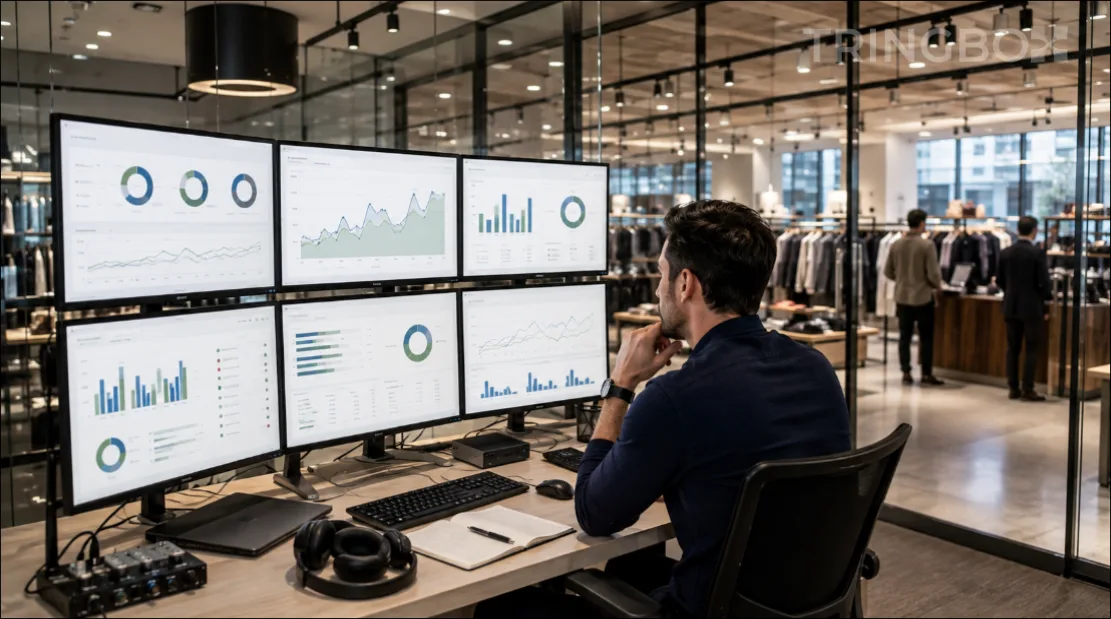
How to Measure In-Store Music Without Making Fake ROI Claims
The absolute fastest way to destroy the credibility of a serious in-store music strategy is to march into a Chief Financial Officer's office and promise a precise, guaranteed sales increase without a valid experimental framework. Physical retail and hospitality spaces are incredibly complex, multi-variable ecosystems. Daily revenue is heavily influenced by footfall, flash promotions, staffing levels, visual merchandising, local weather, inventory availability, and broader economic pricing trends.
While background music absolutely contributes to the atmosphere and can shape consumer behavior, isolating its exact financial effect requires rigorous scientific care. When vendors jump straight to claiming that a specific playlist tempo 'releases dopamine and guarantees a 15% revenue bump,' they cross the line from evidence-based marketing into dangerous pseudoscience.
However, responsible measurement is still entirely possible—it simply needs to be structured in intelligent layers. You cannot measure a revenue increase if you cannot first prove the music actually played. In this comprehensive guide, we provide a practical, three-tiered framework to legitimately measure in-store music ROI, conduct valid physical retail experiments, and build a trustworthy executive scorecard using Tringbox AI.
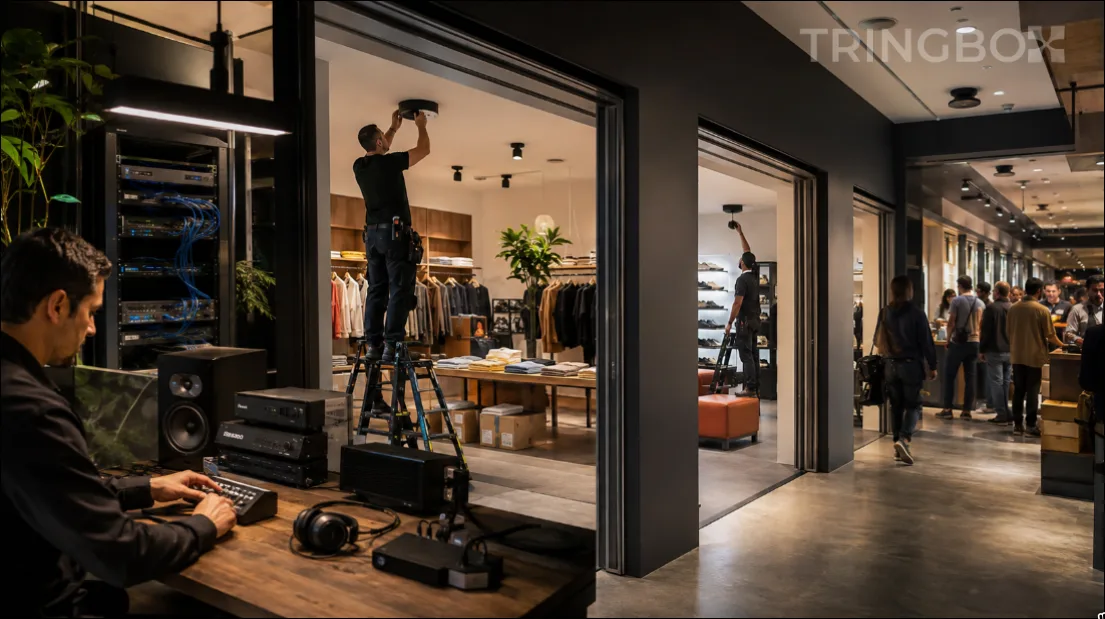
How to Migrate 100 Stores From Manual Playlists to Central Music Management
Replacing staff-managed playlists across a large multi-location store network is not primarily a software installation project. It is a massive change-management project involving complex brand rules, commercial licensing rights, hardware devices, local network stability, ingrained staff habits, and corporate IT support.
When enterprise retail and hospitality brands scale, the transition from local auxiliary cables to centralized cloud control becomes inevitable. The absolute safest, most effective migration path is a tightly controlled, phased rollout. In this practical operational guide, we provide a step-by-step roadmap for migrating your first 100 stores from chaotic manual playlists to a fully governed, AI-driven business music operating system.
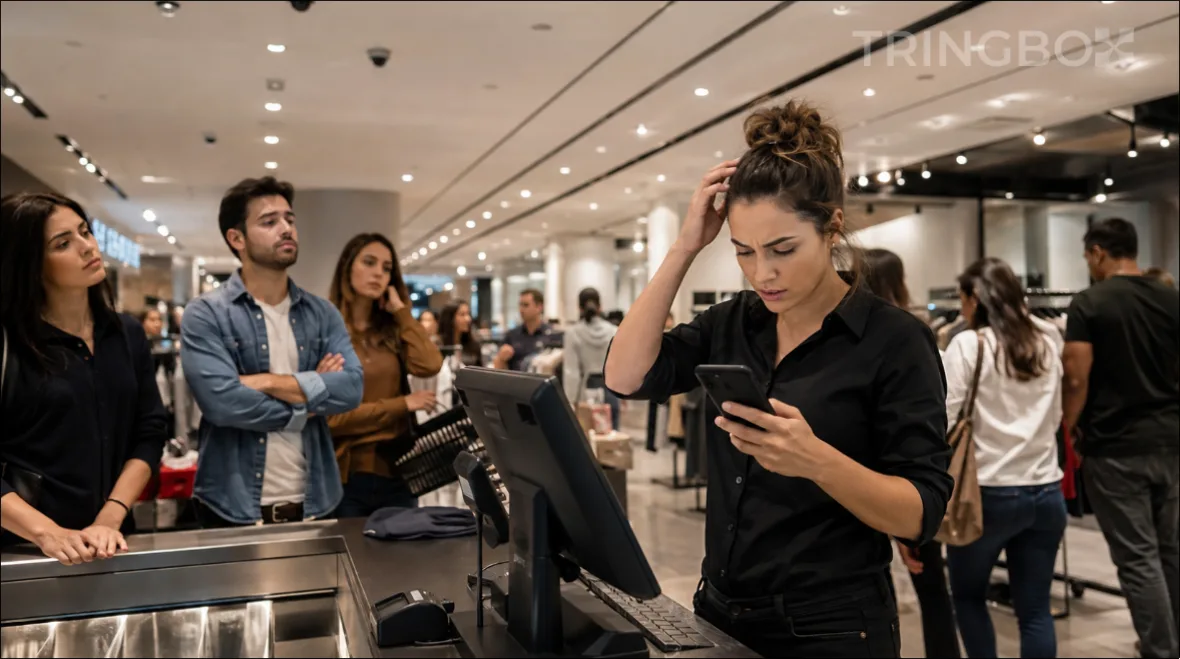
The Hidden Operating Cost of Employee-Managed Store Playlists
Letting store employees manage music feels incredibly inexpensive because the direct software cost on the monthly P&L is close to zero. The illusion is simple: a store manager plugs in their personal phone, opens a consumer app, and the store has music. However, the real cost of this setup is completely hidden, distributed across dozens of small, daily operational failures: time spent choosing music, inconsistent atmosphere, painfully repeated songs, inappropriate lyrical content, account login problems, severe copyright rights risk, and headquarters having absolutely zero visibility or control.
At one single location, these issues may feel mildly annoying but manageable. Across a scaling national chain of fifty or five hundred stores, they compound into massive operational friction and legal liability. In this analysis, we unpack the invisible labour, brand drift, and copyright risks of employee-managed playlists, and why centralizing music is an urgent operational requirement.