
The "Café Effect": Using Ambient Audio to Bring Employees Back to the Office
Sterile, silent corporate offices kill productivity. Discover how modern coworking spaces use AI to engineer their audio, recreate the coffee shop vibe, and boost focus.
By
Meera Joshi
Published
Mar 2, 2026
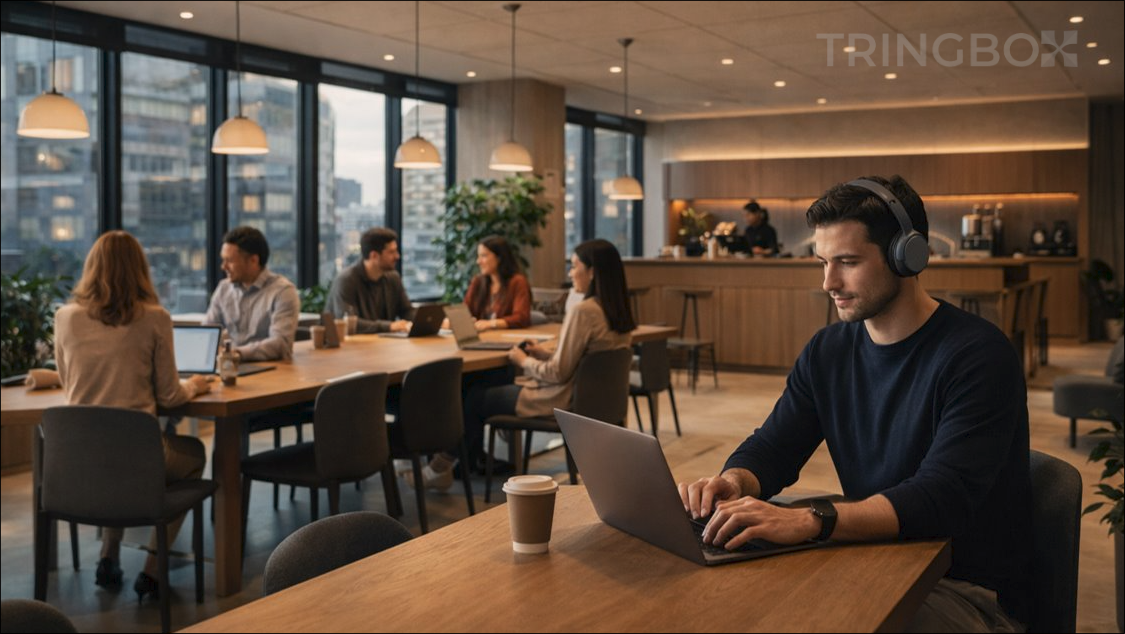
As the corporate world navigates the permanent shift toward hybrid work models in 2026, companies are facing a massive logistical and cultural challenge: convincing employees to actually return to the physical office. For years, professionals have enjoyed the flexibility of working from their own homes or their favorite local coffee shops. When they are mandated to return to a traditional corporate building, they are frequently met with a sterile, library-like silence that is completely devoid of energy. This awkward, deafening silence actively kills productivity and morale. To successfully compete with the highly coveted 'work from a café' vibe, enterprise leaders and coworking space operators must fundamentally rethink their environmental design. They must transition from treating their real estate as mere desk space to treating it as a premium hospitality experience. The most critical component of this transformation is the auditory environment. By leveraging the psychological power of the 'Café Effect' and deploying intelligent, context-aware audio platforms, businesses can engineer a highly productive, deeply engaging workspace that employees genuinely want to commute to.
The Problem with the 'Library Office'
The Neuroscience of the 'Café Effect'
Zoning the Hybrid Workspace
Establishing Corporate Audio Branding
Automating the Vibe with AI
The Legal Reality of Coworking Spaces
Conclusion
The return-to-office battle will not be won with strict corporate mandates or free ping-pong tables; it will be won by fundamentally upgrading the human experience of the physical workspace. Employees have realized that they can be highly productive in the dynamic, comfortable environment of a coffee shop, and they refuse to return to the sterile, anxiety-inducing silence of a traditional corporate library. By actively deploying the 'Café Effect' through intelligent, neuro-aligned ambient audio, progressive coworking spaces and enterprise headquarters can completely eliminate acoustic distractions, break down the isolating headphone culture, and actively stimulate deep cognitive focus. Utilizing AI-driven, legally compliant audio platforms ensures that your commercial real estate always feels vibrant, premium, and perfectly engineered for modern hybrid work. Stop letting your office sound like a waiting room, and start utilizing sound as a strategic tool to bring your best talent happily back to their desks.
Recommended for you
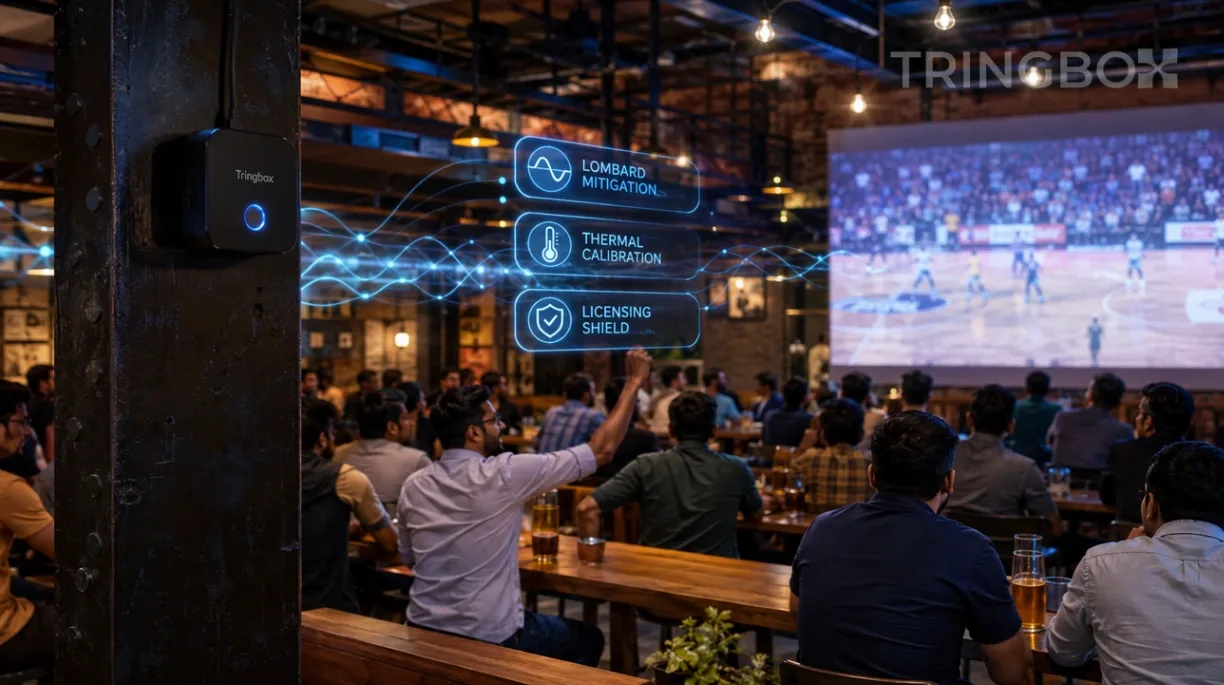
India’s IPL Economy Beyond Cricket: Architecting the Match-Day Experience in 2026
In May 2026, the Indian Premier League (IPL) has transcended its origins as a mere cricket tournament to become India’s most powerful macroeconomic consumer event. The two-month window dictates the financial trajectory of the hospitality, retail, nightlife, and quick-commerce sectors. Match nights trigger massive behavioral shifts fueling a 30% surge in restaurant food and beverage sales, causing immediate spikes in dark store order volumes, and transforming luxury hotel suites into premium fan zones.
However, capturing this localized economic boom requires far more than installing a large projector screen. Walk into an average sports lounge during a high-stakes run chase, and you will experience a chaotic, stress-inducing environment. Raw broadcast audio, screaming commentators, and blaring commercial breaks create severe cognitive overload, driving patrons to close their tabs early. Today's most lucrative venues are engineering their environments scientifically. Discover how elite venueType operators are leveraging Tringbox Agentic AI to seamlessly bridge the gap between stadium energy and premium dining comfort utilizing acoustic optimization and stringent legal compliance to turn frantic match nights into highly profitable, sustained social rituals.
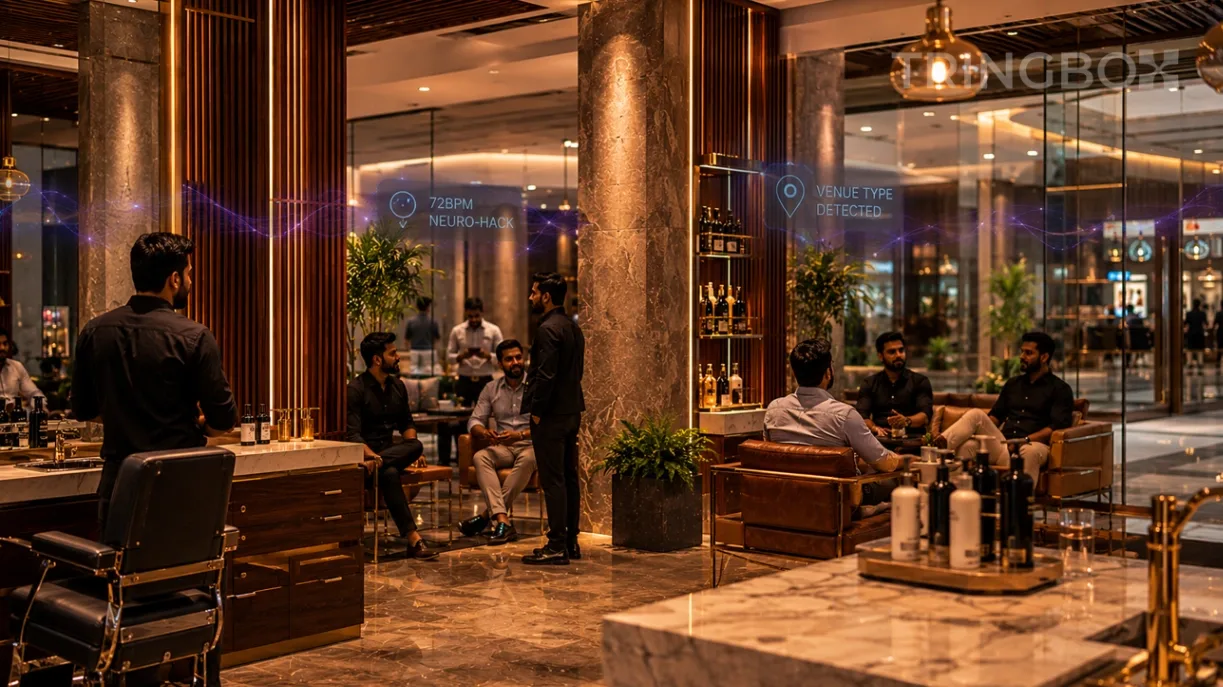
Hyper-Personalized Music: How Agentic AI is Rewiring Commercial Spaces in 2026
In May 2026, relying on a static, looped playlist in a commercial environment is the equivalent of operating without a centralized sales strategy. The modern physical consumer demands an ecosystem that actively responds to their physiological and emotional state. As enterprise brands fight to maximize physical footfall against e-commerce convenience, the strategic deployment of Hyper-Personalized Music has transitioned from a theoretical concept into a foundational operational mandate.
Through the integration of live environmental sensors, biometric data, and intelligent edge-computing, commercial real estate is becoming completely self-aware. Facilities are no longer just playing audio; they are deploying Tringbox Agentic AI to autonomously adapt acoustic output based on live weather patterns, crowd density, time of day, and precise sales behavior. Discover how leading operators across gyms, luxury hotels, sprawling malls, premium salons, and high-energy sports lounges are weaponizing music psychology to expand dwell time, increase conversion optimization, and maintain an impenetrable shield against aggressive B2B licensing audits.
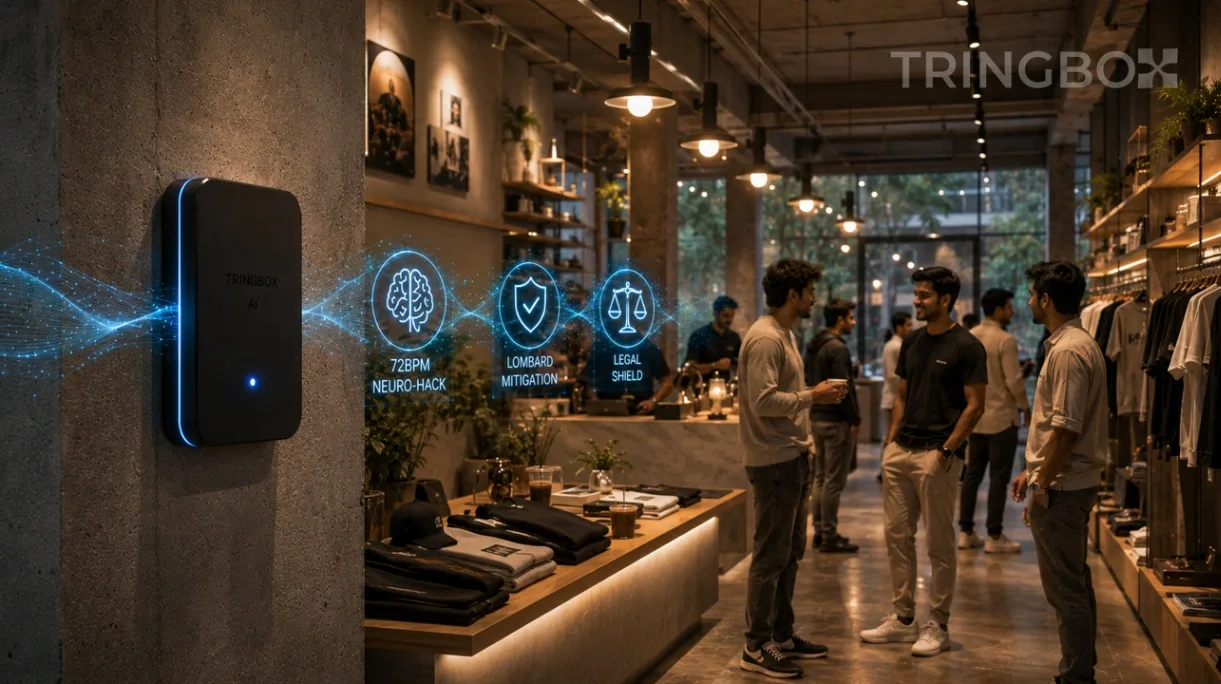
The Creator Economy 2.0: Evolving from Influencers to Enterprise Businesses in 2026
In May 2026, the creator economy has crossed a profound threshold. The era of the one-dimensional influencer relying entirely on algorithmic ad revenue is officially dead. We have entered the Creator Economy 2.0. Today, digital creators operate as sophisticated, diversified enterprise brands. They are no longer just producing content; they are launching private subscription communities, deploying proprietary SaaS tools, executing complex brand licensing deals, and leveraging AI-generated workflows to scale their global output.
However, as these digital-first brands rapidly expand their empires into physical real estate launching creator-owned cafes, exclusive community meetups, and experiential retail pop-ups they immediately collide with the strict regulatory realities of the physical world. A creator cannot simply plug a consumer streaming app into the speakers of their physical pop-up without facing devastating copyright litigation. To successfully translate a highly specific digital aesthetic into a tactile physical environment, these new enterprise creators are deploying Tringbox Agentic AI. Discover how algorithmic sensory architecture and robust legal compliance are allowing micro-creators and massive digital brands to monetize their physical spaces with absolute precision.
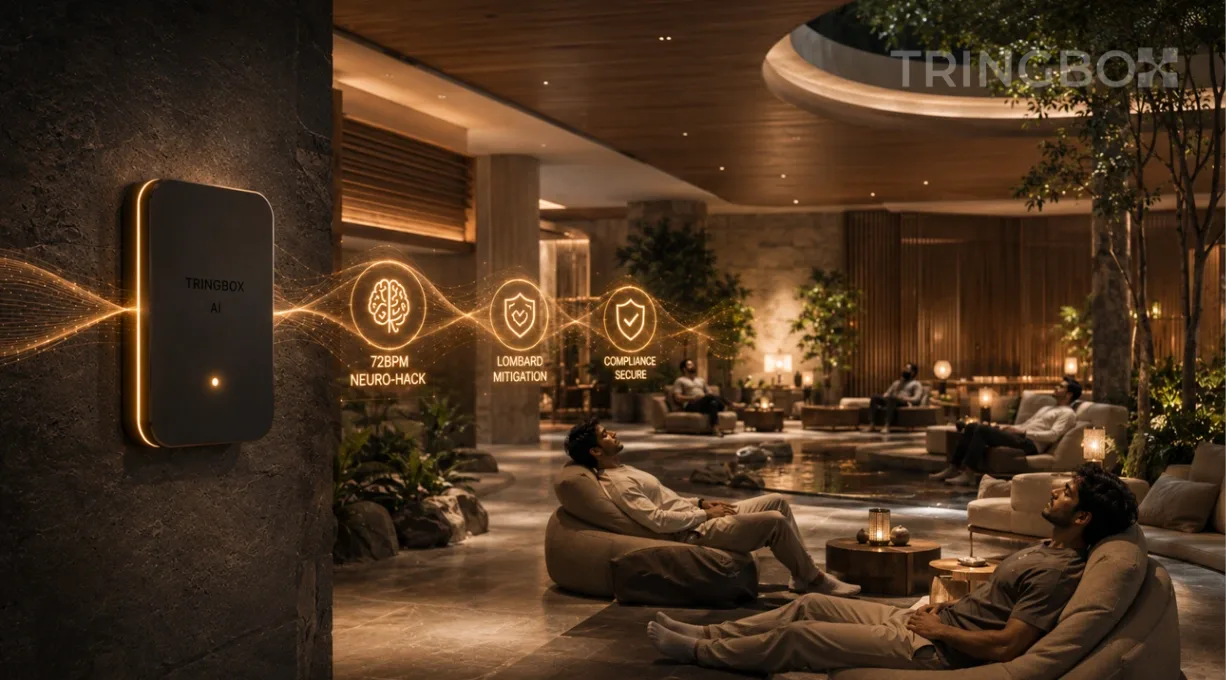
The New Luxury: Silence, Digital Detox, and Emotional Wellness Design in 2026
In May 2026, the definition of premium luxury has fundamentally inverted. For decades, commercial brands equated luxury with abundance high-stimulation environments, aggressive sensory marketing, and relentless digital connectivity. Today, that paradigm is obsolete. The modern consumer, chronically over-stimulated and facing unprecedented levels of digital burnout, now views 'quiet' as the ultimate luxury commodity.
This shift has given rise to the Digital Detox and Slow Living movements, driving a massive architectural pivot toward low-stimulation, mindful spaces. From elite wellness recovery clubs to premium retail boutiques, the goal is no longer to excite the nervous system, but to actively soothe it. However, achieving true environmental calm is not as simple as turning off the music; a completely silent room is sterile, clinical, and often anxiety-inducing. Discover how industry leaders are utilizing Tringbox Agentic AI to execute precise Emotional Wellness Design, replacing chaotic noise with highly engineered, restorative soundscapes that foster deep cognitive sanctuary while maintaining absolute commercial legal compliance.
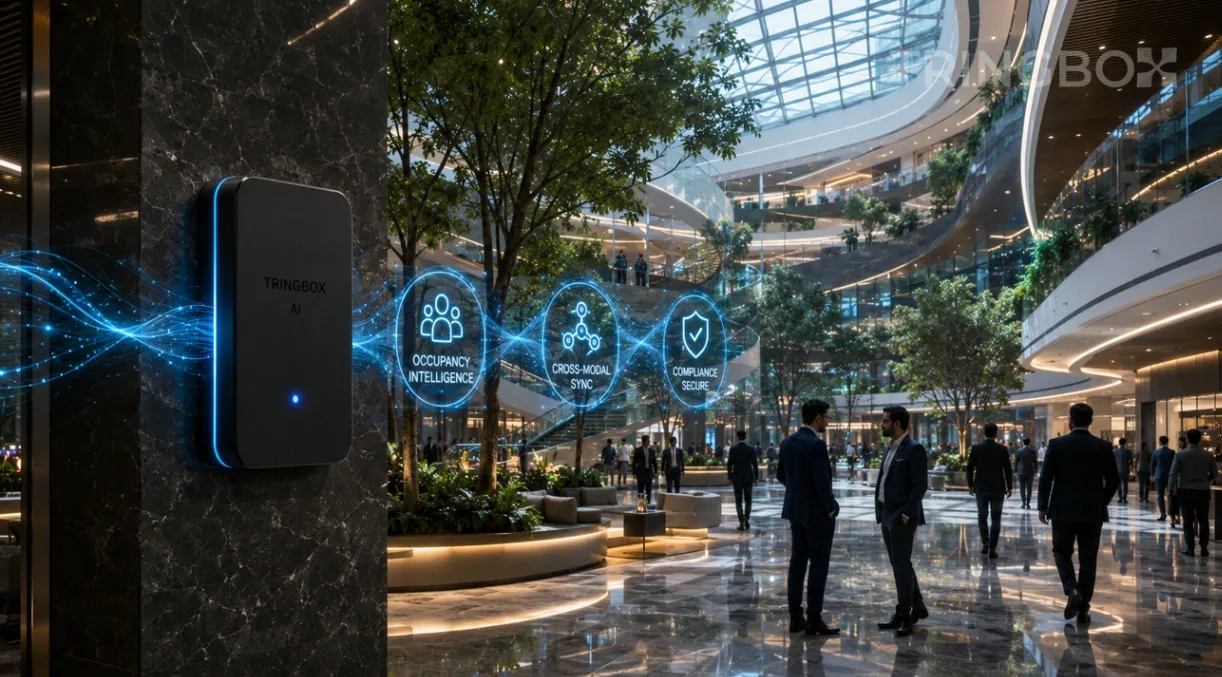
Smart Buildings & Emotional Architecture: How AI is Rewiring Commercial Real Estate in 2026
In May 2026, commercial real estate developers and enterprise facility managers have realized that constructing a physically stunning building is no longer enough. The traditional architectural model where lighting, HVAC, and background music operate as isolated, static utilities has been rendered obsolete. Today, the most valuable commercial spaces are designed as emotionally responsive ecosystems. Driven by deep occupancy intelligence and biophilic data, modern malls, airports, corporate offices, and hospitality hubs now actively read the psychological states of their occupants and autonomously adapt to optimize human comfort.
At the core of this transformation is the rejection of the "dumb playlist." Blaring generic, uncalibrated music across a multi-million-dollar intelligent facility creates severe sensory friction, actively undermining advanced lighting and fragrance systems. To bridge this gap, visionary architects are integrating Tringbox Agentic AI directly into the building's central nervous system. By treating audio as dynamic spatial software, properties can deploy precise mood-based automation, ensuring that the auditory environment seamlessly aligns with live environmental sensors to engineer profound cognitive comfort and protect the asset with an impenetrable commercial licensing shield.
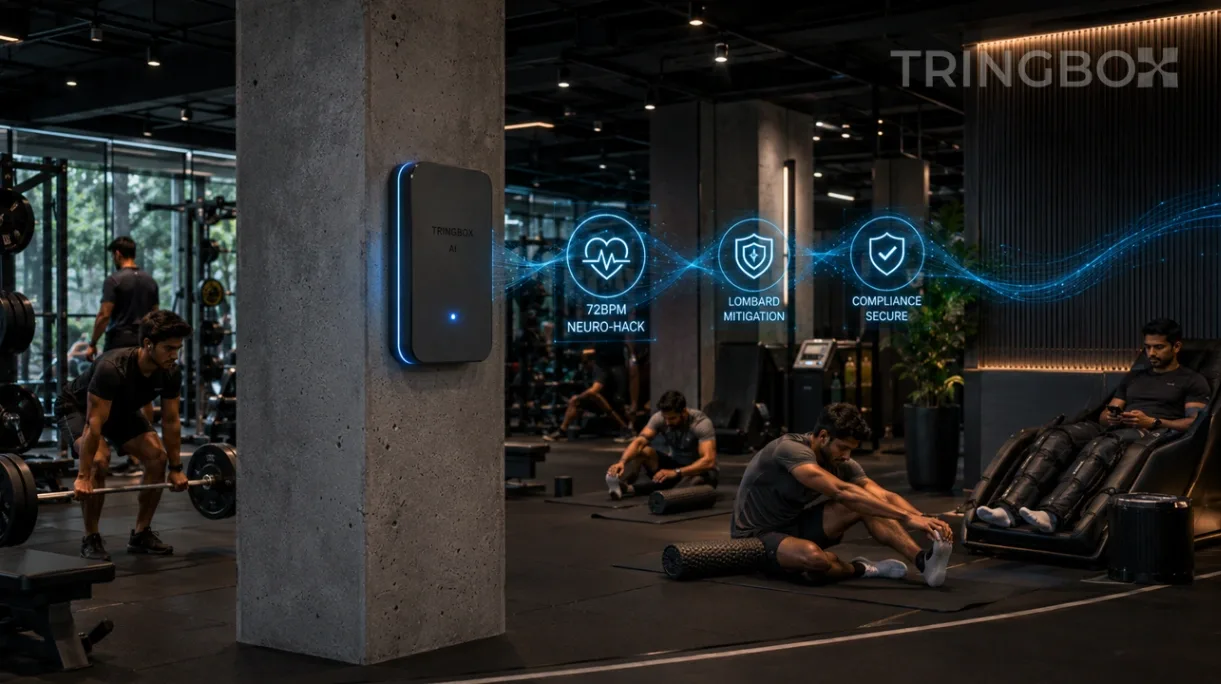
The Future of Fitness: Neurowellness and Biometric Audio Engineering in 2026
In May 2026, the traditional fitness facility model characterized by booming, uncalibrated top-40 playlists and chaotic acoustic environments is operationally obsolete. The industry has aggressively pivoted toward Neurowellness, a multidisciplinary approach that treats environmental sound not as a background utility, but as a direct biological performance enhancer. Enterprise gyms, boutique studios, and luxury health clubs are realizing that cognitive fatigue is just as detrimental to member retention as physical exhaustion.
As members increasingly integrate biometric wearables to track their physiological states, they expect their physical workout environment to be equally intelligent and adaptive. Pumping aggressive, high-BPM tracks across an entire 20,000-square-foot facility creates massive sensory dissonance, driving up cortisol levels in recovery zones and triggering severe noise fatigue on the lifting floor. Discover how industry leaders are deploying Tringbox Agentic AI to segment their spatial audio, mitigate acoustic chaos, and engineer adaptive workout environments that scientifically regulate human emotion while providing an impenetrable corporate shield against aggressive commercial licensing audits.
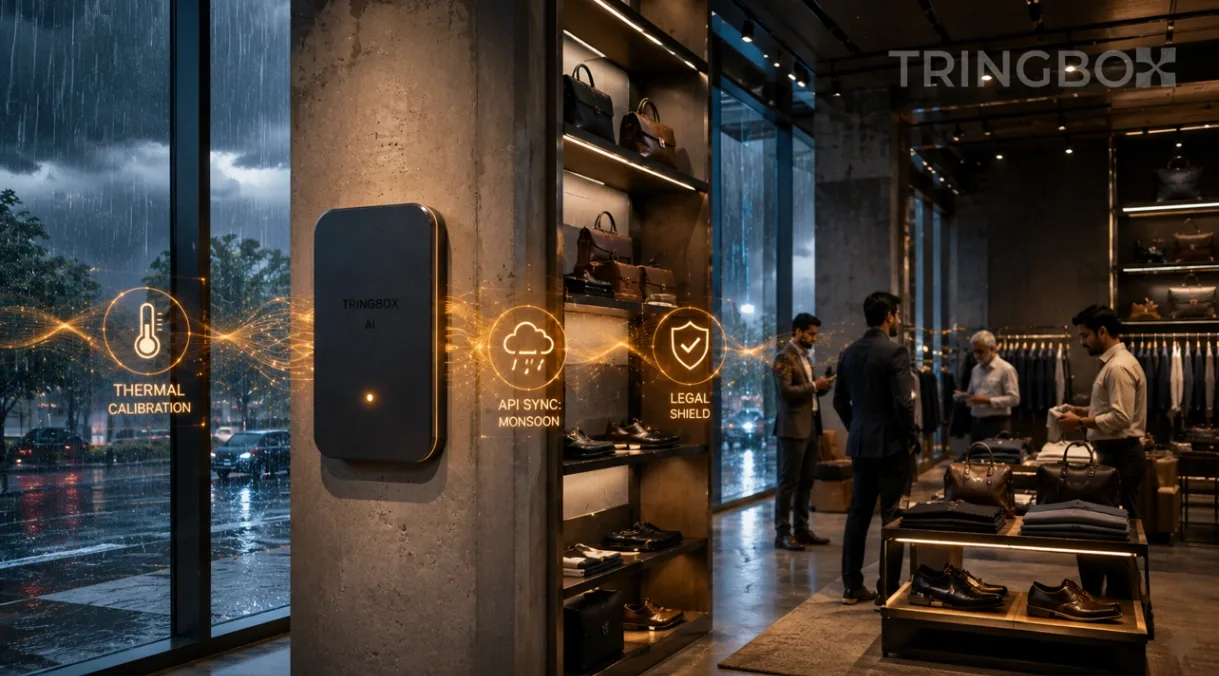
Weather-Responsive Commerce: How Predictive AI and Sensory Architecture Drive Retail in 2026
In May 2026, extreme climatic shifts are no longer just meteorological events; they are the primary architects of spontaneous consumer behavior. Across the Indian subcontinent, a sudden pre-monsoon downpour in Mumbai or an intense, dry heatwave in Delhi fundamentally alters foot traffic patterns, purchasing stamina, and baseline emotional states within minutes.
Historically, retail and hospitality venues operated as static environments offering the exact same lighting, temperature, and auditory experience regardless of the chaos happening outside their doors. Today, this rigidity is a massive operational failure. The industry has aggressively pivoted toward Weather-Responsive Commerce. By deploying predictive retail systems and edge-computing sensor networks, spaces autonomously adapt their sensory output to counteract external climatic stressors. Discover how leading brands are utilizing Tringbox Agentic AI to seamlessly integrate live weather APIs with acoustic engineering turning environmental friction into extended dwell time, deep cognitive comfort, and protected commercial revenue.
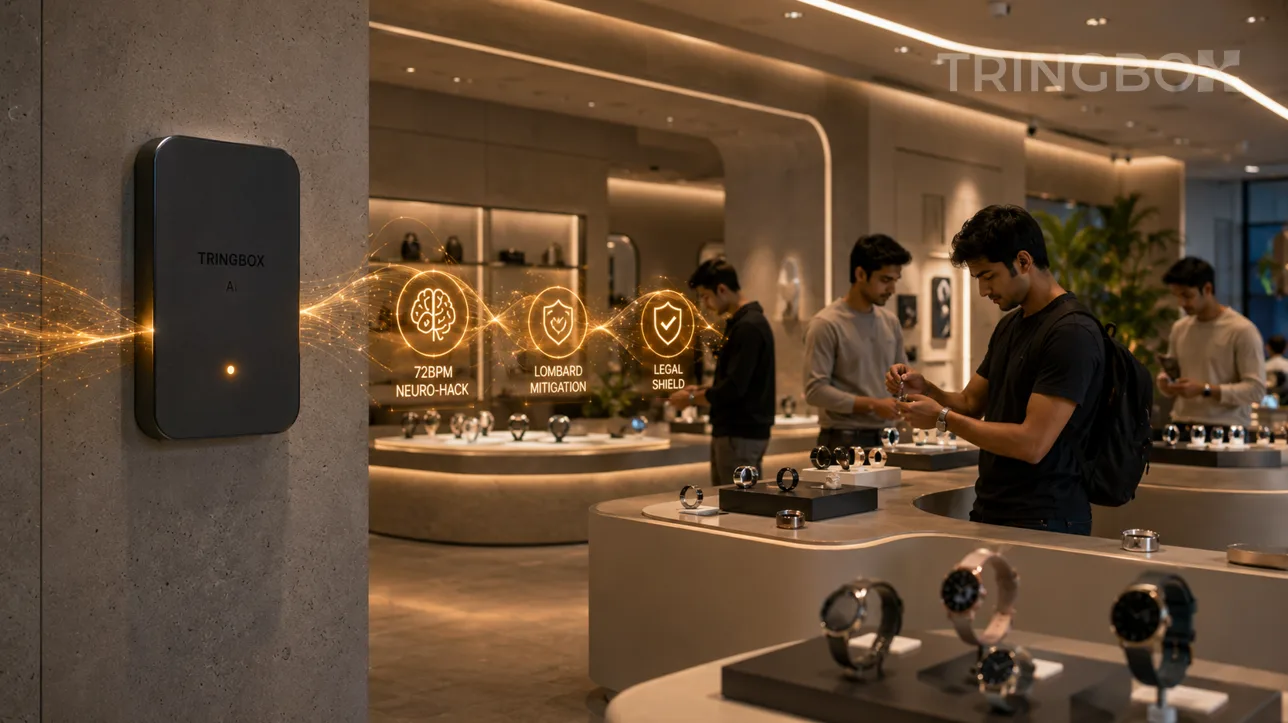
The 'Cute Tech' Explosion: Why Gen Z Demands Emotional Hardware and How Retailers Must Adapt in 2026
In May 2026, the consumer electronics sector is undergoing a massive aesthetic and psychological pivot. Technology products are no longer marketed purely on processing power or battery life; they have evolved into fashion statements and emotional accessories. This phenomenon widely dubbed 'Cute Tech' sees Gen Z consumers forming deep emotional attachments to AI wearables, pastel smart rings, and designer over-ear headphones.
However, selling emotionally driven hardware requires a completely different environmental strategy than selling sterile computing equipment. The traditional consumer electronics showroom, historically characterized by harsh fluorescent lighting and disjointed, aggressive background noise, is fatal to the 'Cute Tech' aesthetic. To monetize this demographic shift, retailers must transform their physical spaces into immersive, fashion-forward boutiques. Discover how enterprise electronics brands are deploying Tringbox Agentic AI to engineer hyper-targeted sensory environments, utilizing biometric audio and advanced legal compliance to bridge the gap between silicon hardware and human emotion.
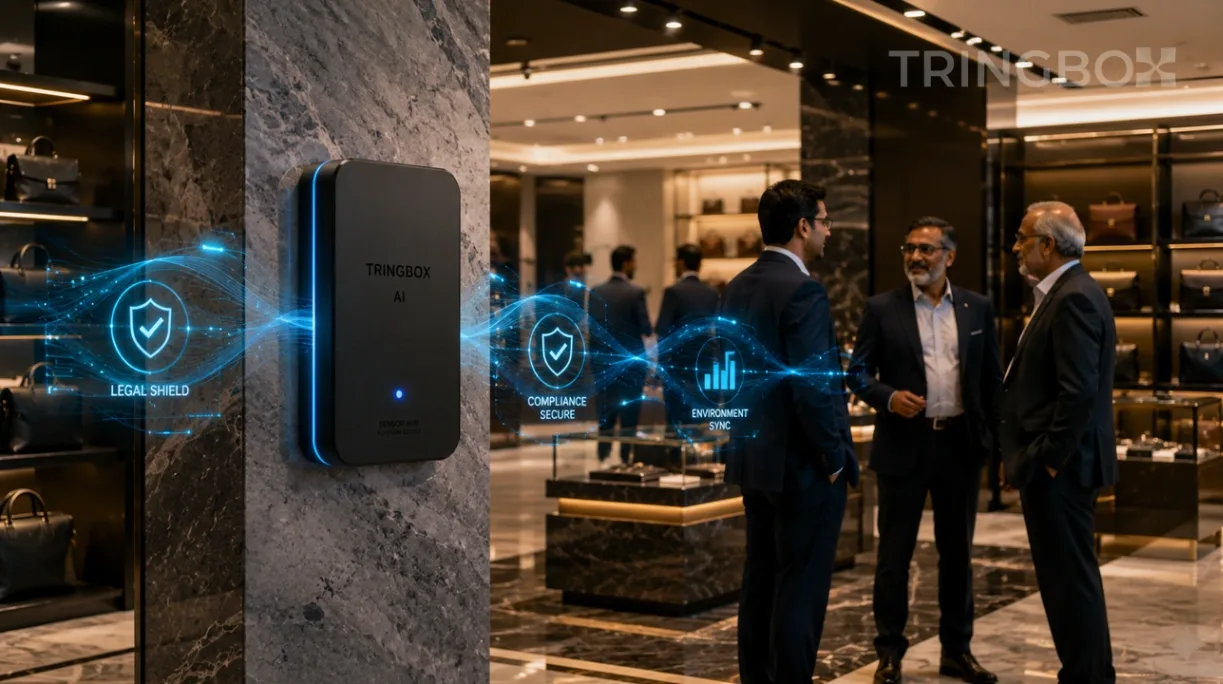
The Future of Commercial Music Licensing: Navigating Copyright Risks and Automated Compliance Systems
The commercial real estate and retail landscape in May 2026 faces an unprecedented legal crunch. Corporate operators can no longer treat background audio as an afterthought or a minor operational utility.
As regulatory bodies globally and locally intensify their audit frameworks, traditional shortcuts ranging from standard consumer streaming accounts to gray-market royalty-free lists are collapsing under legal scrutiny. Physical commercial spaces are increasingly exposed to catastrophic copyright litigation, copyright trolling, and massive statutory penalties. This comprehensive deep dive examines how smart brands are trading vulnerable manual processes for automated compliance networks, ensuring absolute indemnification while turning music into an optimized environmental software asset powered by Tringbox Agentic AI.
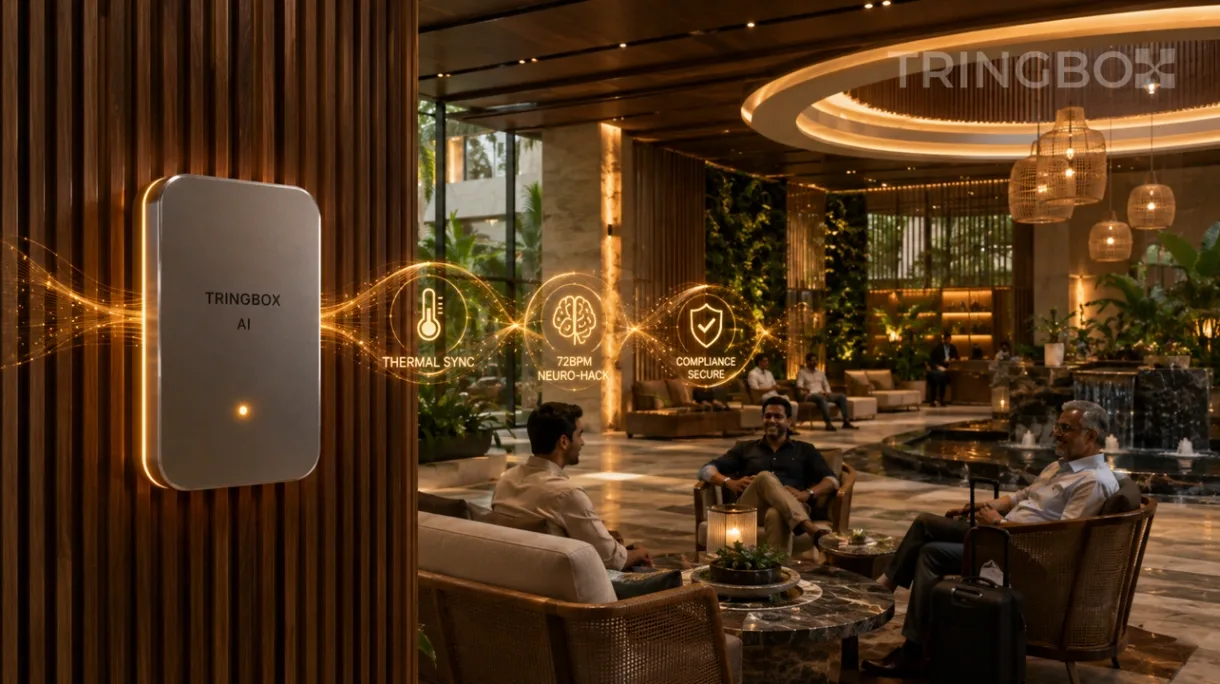
The Data-Driven Guest Journey: How AI and Sensory Architecture are Rewiring Luxury Hospitality in 2026
In May 2026, the luxury hospitality playbook has undergone a fundamental paradigm shift. Impeccable service, high-thread-count linens, and Michelin-star room service are no longer competitive differentiators; they are baseline commodities. Today, elite hotel groups and wellness resorts compete on a far more complex metric: Emotional Memory. To engineer this, hospitality leaders are abandoning static operational models in favor of deep, data-driven sensory architecture.
Through the integration of environmental sensors, biometric feedback, and Agentic AI, modern hotels are optimizing scent, sound, and thermal dynamics in real-time to create hyper-personalized guest journeys. The lobbies, transit corridors, and fine-dining spaces of 2026 operate as responsive, living ecosystems. At the core of this transformation is the deployment of autonomous sensory infrastructure, such as the Tringbox Agentic AI engine. By systematically replacing disjointed background playlists with dynamically engineered acoustic environments, hospitality brands are physically lowering guest cortisol levels, syncing with live environmental variables, and ensuring bulletproof corporate legal compliance on a global scale.
Trusted by Industry Leaders
Recognized by leading innovative platforms

NVIDIA Inception
AI Innovation Program

MongoDB for Startups
Database & Infrastructure Support

AWS Startups
Cloud Computing Resources
Salesforce for Startups
Business Growth Platform
Trusted by Industry Leaders
Recognized and backed by the world's most innovative platforms
NVIDIA Inception
AI Innovation Program

Zoho for Startups
Startup Growth Support

DPIIT Startup India
Government Recognized Startup
MongoDB for Startups
Database Support Program
AWS Startups
Cloud & Scaling Support
Salesforce for Startups
Business Growth Platform
What is Tringbox InStore AI Music
Tringbox InStore AI Music is a smart music system for shops, cafes, offices, gyms, and public spaces. Instead of playing the same playlist every day, it automatically plays the right music based on what is happening in your space at that moment. You don't need to change anything, music adjusts on its own.
What Tringbox Does
Real Time Environment Reading
Understands what customers emotionally need at every moment
Automatic Music Selection
Continuously adapting the perfect soundtrack throughout the day
Effortless Ambience
No playlists, no manual switching, no guesswork just magic
What is Tringbox InStore AI Music
Tringbox InStore AI Music is a smart music system for shops, cafes, offices, gyms, and public spaces. Instead of playing the same playlist every day, it automatically plays the right music based on what is happening in your space at that moment. You don't need to change anything, music adjusts on its own.
Live Context
Environmental Sensors
AI Engine
Neural Processing
Music Metrics
Audio Analysis
Instruments
Neuro Output
Brain Chemistry
Discover Your Perfect Ambiance
Tringbox Adapts Perfectly to any Venue type
No venues found for ""
Research & Evidence
Science Behind Tringbox
Neuroscience research on soundscapes
Dwell Time
More browsing
Lower BPM music triggers dopamine release.
Perception
Premium feel
Familiar harmonics enhance trust.
Experience
Repeat visits
Oxytocin release creates familiarity.
Conversion
Impulse buys
Dopamine improves reward anticipation.
Research & Evidence
The Science Behind Tringbox
Decades of peer-reviewed neuroscience research proves how engineered soundscapes influence human behavior and drive measurable business outcomes.
Dwell Time
Customers browse longer
Lower BPM music triggers dopamine release, keeping customers comfortable enough to stay longer without realizing why.
Perception
Premium brand feel
Familiar harmonic structures increase serotonin, reducing decision stress and enhancing trust in your brand.
Experience
Higher repeat visits
Oxytocin release through emotionally safe soundscapes creates subconscious familiarity and comfort.
Conversion
Impulse purchases up
Dopamine elevation improves reward anticipation and reduces friction during decision making.
How to Get Started
Transform your venue in 4 simple steps
Subscribe to Tringbox
Choose a plan and activate your subscription
Share Your Store Details
Our team helps you in a quick onboarding call
AI Training (Upto 72 Hrs)
We tune the engine specifically for your brand
Login & Play
No hardware needed. Works on any device.
How to Get Started
Transform your venue's atmosphere in four simple steps. No complex setup, no hardware required.
Subscribe to Tringbox
Choose a plan and activate your subscription
Share Your Store Details
Our team helps you in a quick onboarding call
AI Training (Upto 72 Hrs)
We tune the engine specifically for your brand
Login & Play
No hardware needed. Works on any device.
How Tringbox is Different
Adaptive music for any environment
Yes
No
No
Yes
No
Yes
No
Yes
Limited
Yes
Yes
No
Limited
300K+
No hardware. No setup. No friction.
How Tringbox is Different
Intelligent music that reads your environment and delivers the perfect soundtrack.
Yes
No
No
Yes
No
Yes
No
Yes
Limited
Yes
Yes
No
Limited tracks
300,000+ tracks
This reads like SaaS, not audio. No hardware. No setup. No friction.