
Ethical AI Music for Immersive Retail: The 2026 Standard
Why Tringbox’s generative engine is the ethical choice over Soundraw’s loop based pitfalls.
By
Amit Kumar
Published
Feb 17, 2026

By 2026, the background music industry has faced a reckoning. The era of exploiting artists through obscure licensing deals is ending, driven by a new wave of 'Fair Trade Music' platforms like Audiimax that champion direct-to-artist payments. This ethical awakening has set a new standard: businesses want audio solutions that are not only legally safe but morally sound. However, as retailers shift from human-curated playlists to AI-generated soundscapes for better adaptability, a new ethical battleground has emerged. Not all AI music is created equal. While platforms like Soundraw promise royalty-free generation, they often fall into the trap of 'model collapse'—producing repetitive, homogenized loops that border on copyright infringement. In contrast, Tringbox has built a generative engine rooted in deep musical theory and context-awareness, creating truly unique, non-infringing audio that respects the sanctity of musical composition. This article explores why the future of immersive retail audio belongs to ethical, high-fidelity generation, and how Tringbox stands apart from the pitfalls of early AI models.
The Industry's Ethical Awakening
The Pitfalls of Soundraw and Loop-Based AI
Tringbox: True Generative Composition
Conclusion
The transition to AI-generated in-store audio is inevitable, but the choice of platform defines a brand's ethical standing and legal safety. While early tools like Soundraw offered a glimpse into the future, their reliance on repetitive loops and finite datasets presents significant risks of listener fatigue and copyright confusion. Tringbox represents the mature, ethical evolution of this technology. By generating music from first principles of theory rather than assembling loops, Tringbox offers retailers a soundscape that is infinitely varied, contextually intelligent, and genuinely free from copyright liability. In a world where consumers and creators alike demand fairness and transparency, choosing a generative engine that respects the art of composition is the only sustainable path forward. Do not settle for robotic loops; equip your business with a living, breathing soundtrack that drives revenue. Learn more about the financial impact of this shift in our report on how in-store music impacts revenue.
Recommended for you
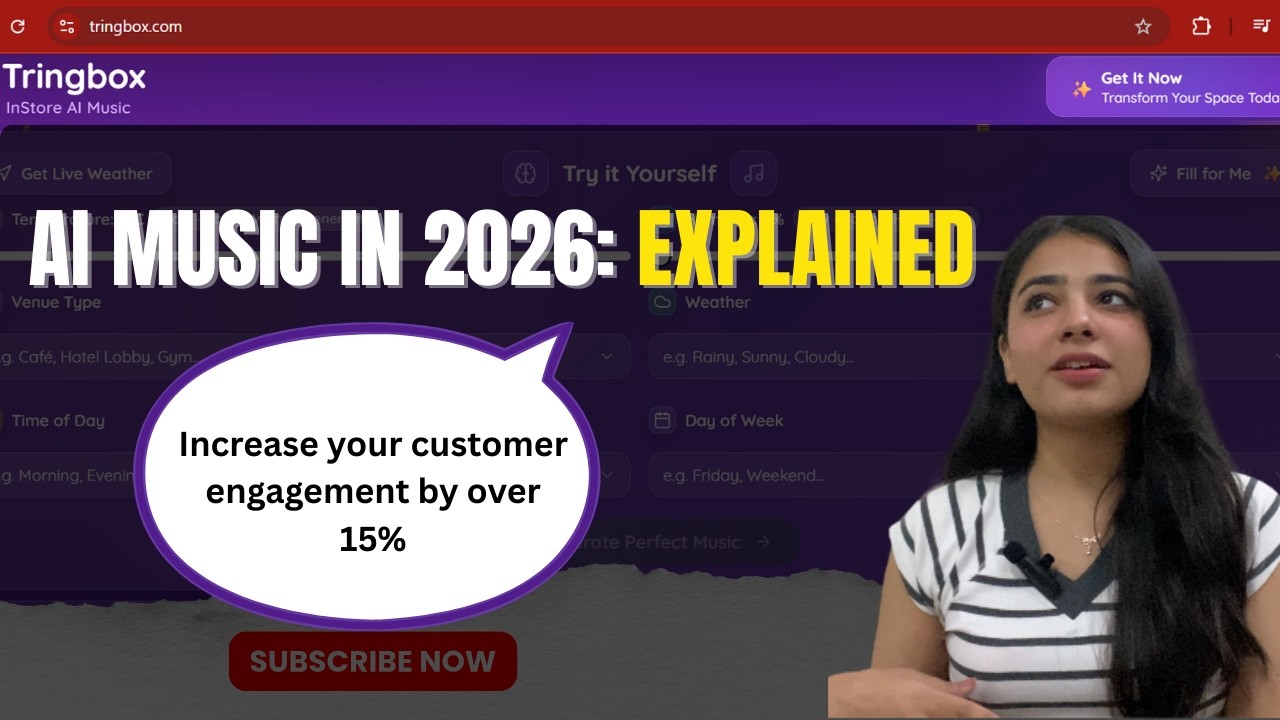
Experience the Future of Ambience: How Tringbox InStore AI Redefines Commercial Spaces
Have you ever walked into a café and immediately felt the 'vibe'? That feeling of being calm, energetic, or cozy isn't accidental—it happens when music is done right. But for most business owners, maintaining that perfect atmosphere is a manual struggle. Tringbox InStore AI Music is changing the game. As featured in our latest video walkthrough, Tringbox is an intelligent AI software that generates background music dynamically based on your venue's specific environment. It isn't Spotify, and it isn't a fixed playlist; it is Atmosphere Intelligence that breathes with your business.
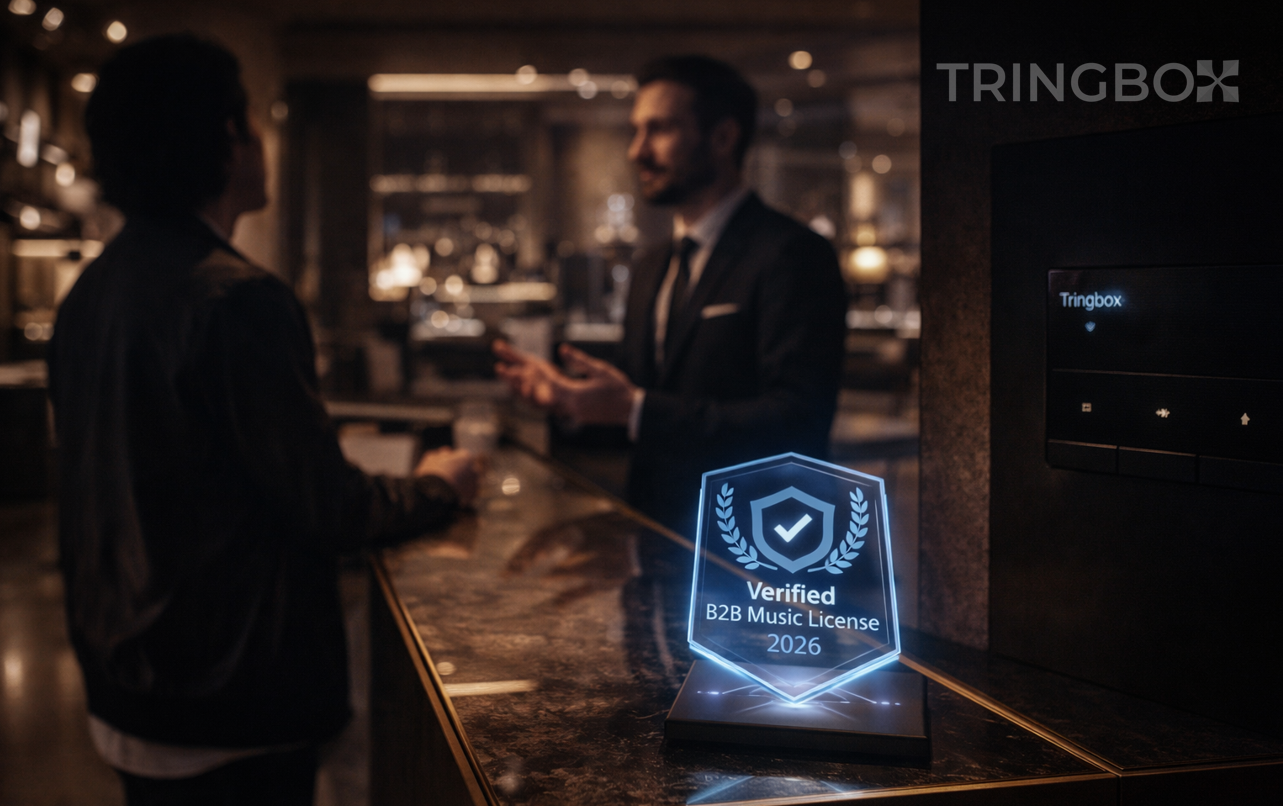
The Ethics of the Algorithm: Why Fully Licensed Music is the Only Way to Protect Your Brand
The year 2026 has ushered in a new era of digital enforcement in India and across the globe. For years, small businesses and even large retail chains operated in a 'grey area,' playing personal Spotify, YouTube, or Apple Music accounts in commercial spaces. Those days are officially over. With the deployment of AI-driven acoustic fingerprinting by licensing bodies like IPRS and PPL, unlicensed music detection has become automated, remote, and relentless. Under the Indian Copyright Act, playing music in a public business setting is legally defined as a 'Public Performance,' and using a 'Personal' account for this is a direct violation that carries non-bailable penalties. Tringbox InStore AI Music was built to solve this ethical and legal crisis. We provide a 100% Licensed-for-Business solution that doesn't just protect your brand from lawsuits it ensures that the creators behind the music are fairly compensated, aligning your business with the ethical standards of the modern creator economy.
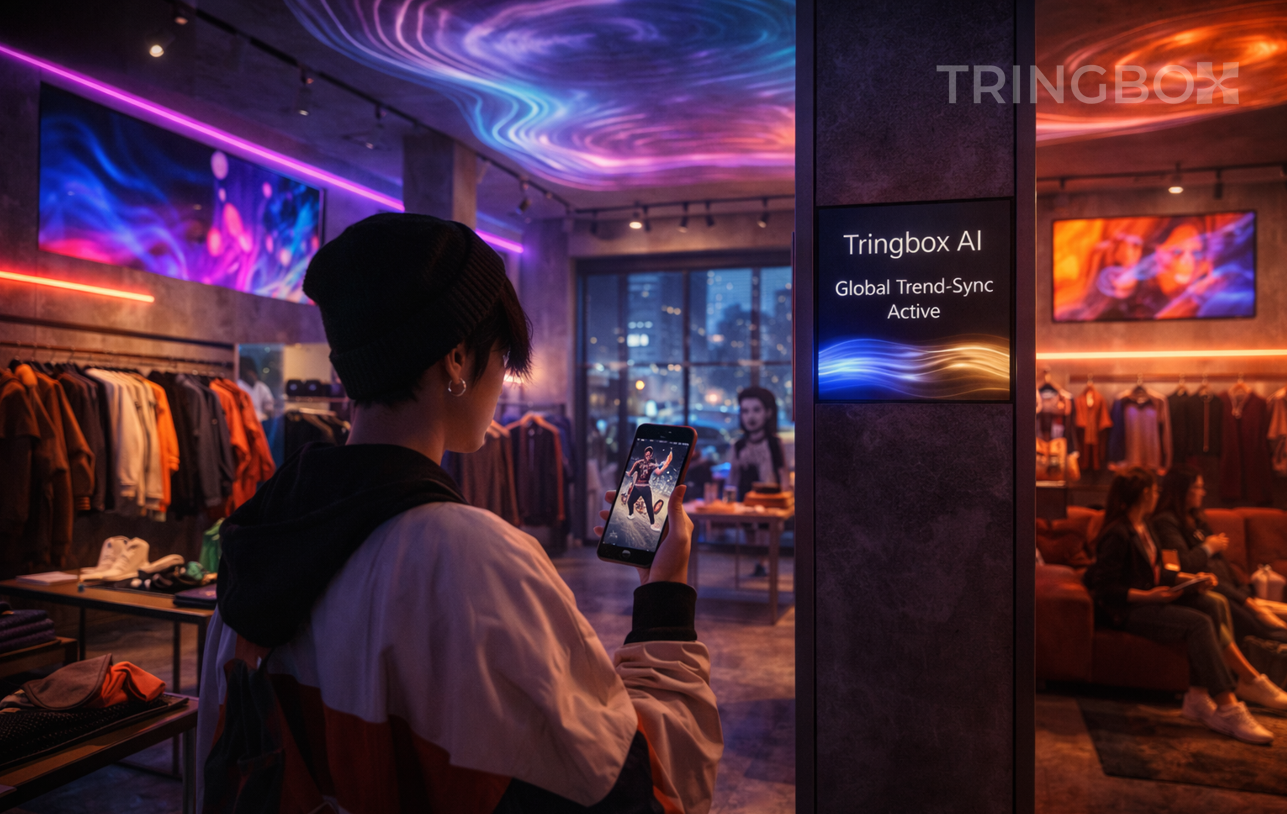
From TikTok Viral to In-Store Vital: How Tringbox Syncs Global Sound Trends
In 2026, the lifecycle of a 'hit song' has shrunk from months to mere hours. A track that goes viral on TikTok or Instagram Reels in the morning is what your customers expect to feel subconsciously by the time they walk into your store in the afternoon. However, traditional in-store music services are static, often trailing behind the cultural curve by weeks. This 'Trend Gap' makes your brand feel dated and out of touch. Tringbox InStore AI Music has engineered a solution. By utilizing Global Trend Synchronization, our Agentic AI continuously scans social signals to identify rising global sounds from Afrobeat to Indian Fusion and seamlessly integrates their 'Sonic DNA' into your brand-safe environment. It’s time to move from being a spectator of culture to being a participant.
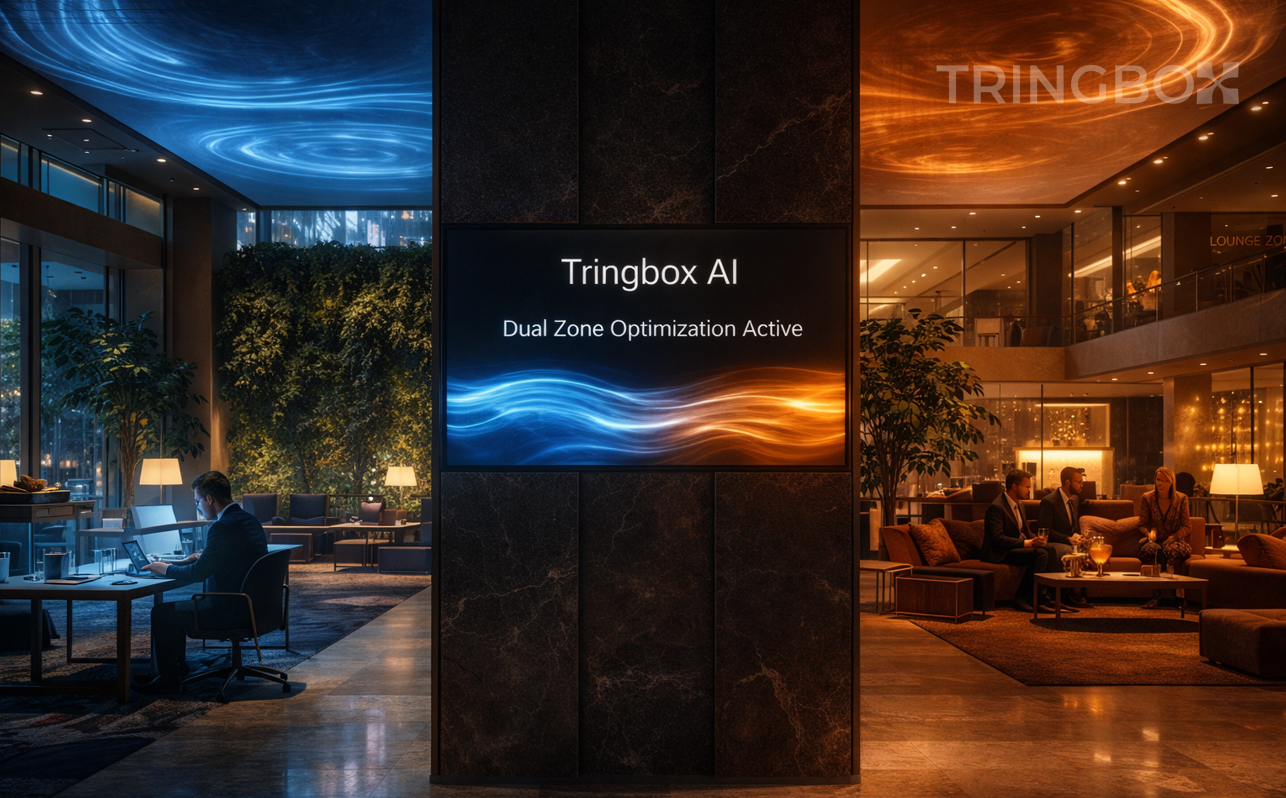
Hospitality Hubs: Managing Sonic Branding in Hotel Lobbies & Co-working Spaces
In the hybrid hospitality landscape of 2026, the lines between 'Work,' 'Play,' and 'Rest' have completely dissolved. Hotel lobbies are now thriving co-working hubs by day and sophisticated social lounges by night. For property managers, this presents a unique atmospheric challenge: How do you provide a soundscape that fosters deep focus for a digital nomad at 11:00 AM while simultaneously offering a sense of relaxation for a checking-in tourist? Traditional, single-stream music systems fail this test, creating a 'Sonic Conflict' that alienates guests. Tringbox InStore AI Music solves this through Zonal Atmosphere Management. By deploying Agentic AI that understands the specific function of every square meter, Tringbox ensures your 'Productive' zones stay sharp and your 'Relaxing' zones stay serene all without a single manual adjustment.
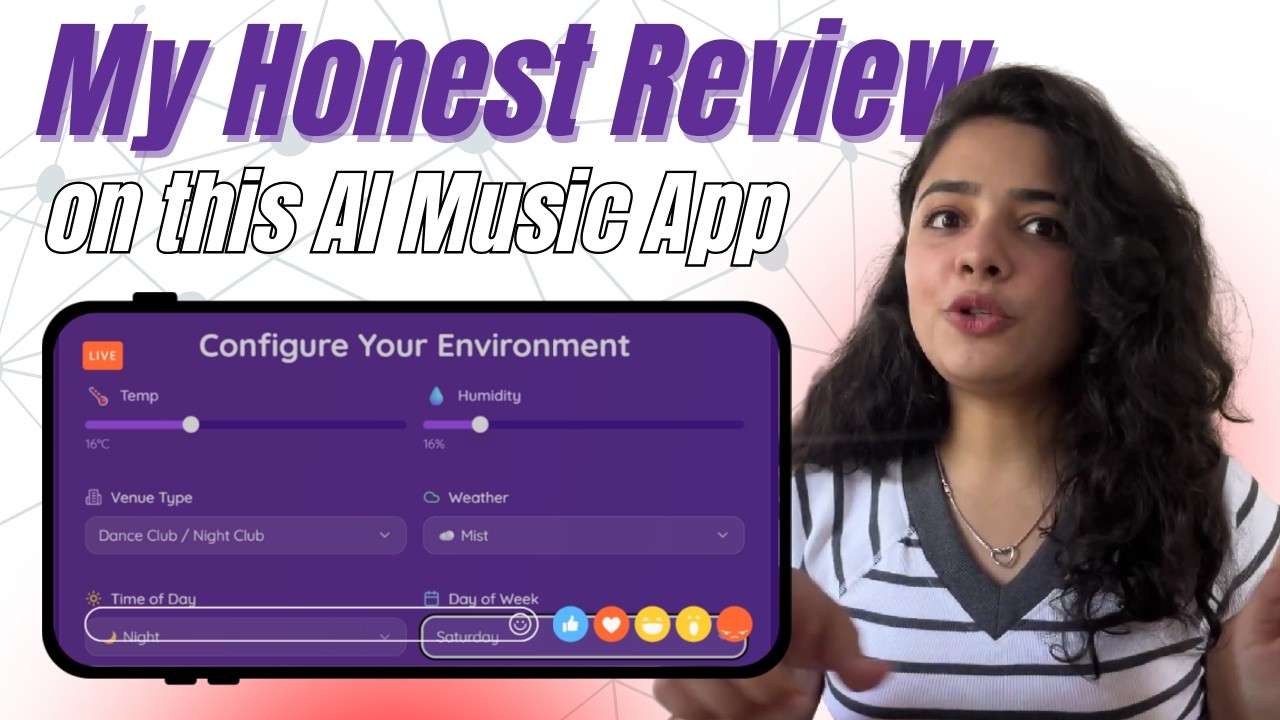
Salon Ambience 2.0: Transforming Beauty Spaces with Tringbox InStore AI
Imagine walking into a beauty salon where everything looks perfect. The mirrors are spotless, the lighting is bright, and the chairs are stylish. But something is missing the 'Vibe' is zero. You sit down for a hair wash, and instead of a relaxing experience, there is an awkward silence or a boring, random radio track playing. This is the 'Sensory Gap' that many salon owners ignore. Tringbox InStore AI Music has solved this by moving beyond the playlist. Our Agentic AI understands the space, the audience's mood, and the brand's personality to generate a real-time, customized soundscape. As seen in our latest walkthrough, transforming your salon into a premium destination is now a matter of data, not just luck.
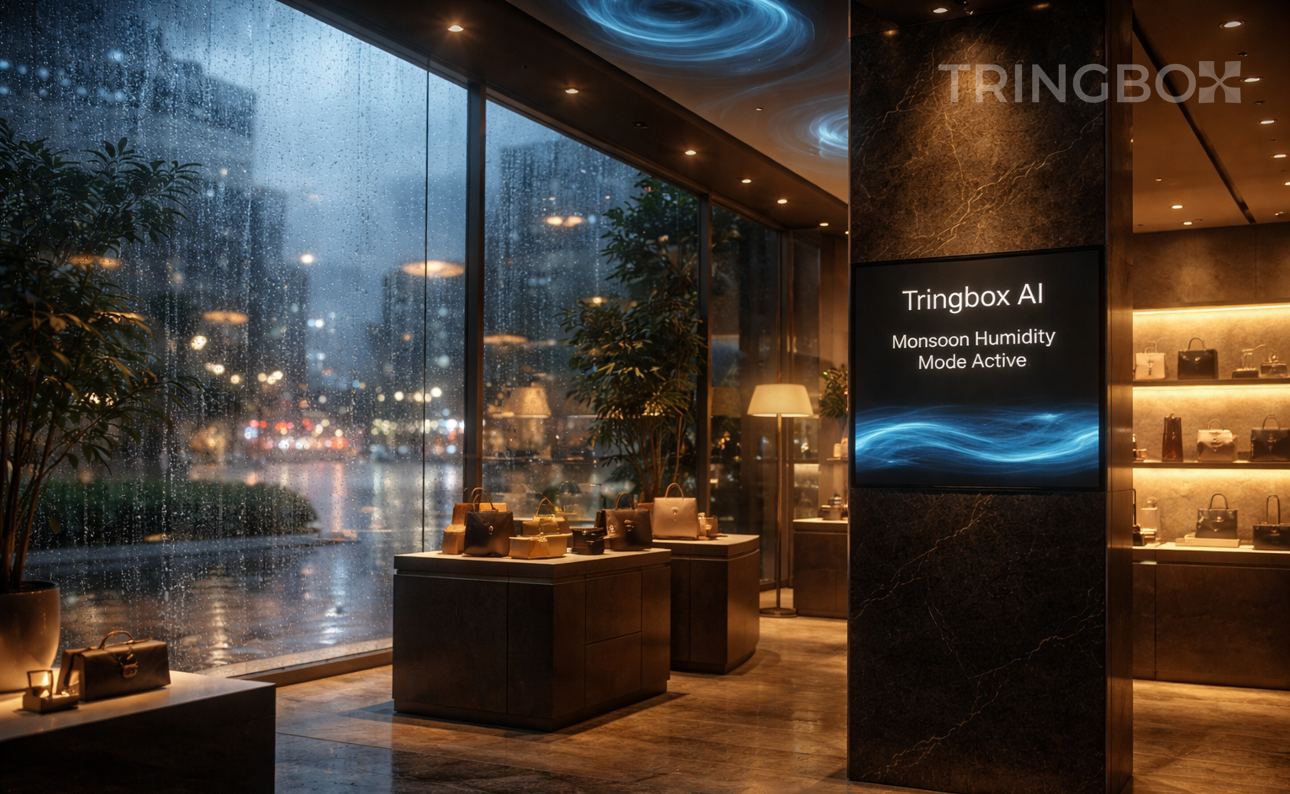
The Science of Contextual Awareness: How Weather and Temperature Change Your Store's Vibe
In the retail landscape of 2026, the most successful brands have moved beyond the 'one-size-fits-all' playlist. They have realized that a store's atmosphere is a living, breathing entity that must react to the world outside. This is the Science of Contextual Awareness. Every degree of temperature shift and every change in local humidity levels has a direct impact on human neurochemistry and, consequently, consumer behavior. When a customer walks out of a scorching 40°C afternoon into your store, their brain is in a state of 'Thermal Irritability.' If your music is high-tempo and aggressive, you aren't energizing them you are driving them out. Tringbox InStore AI Music is the world’s first Agentic AI platform that reads these environmental triggers in real-time, adjusting your 'Sonic Texture' to balance the customer’s internal state with your brand's goals.
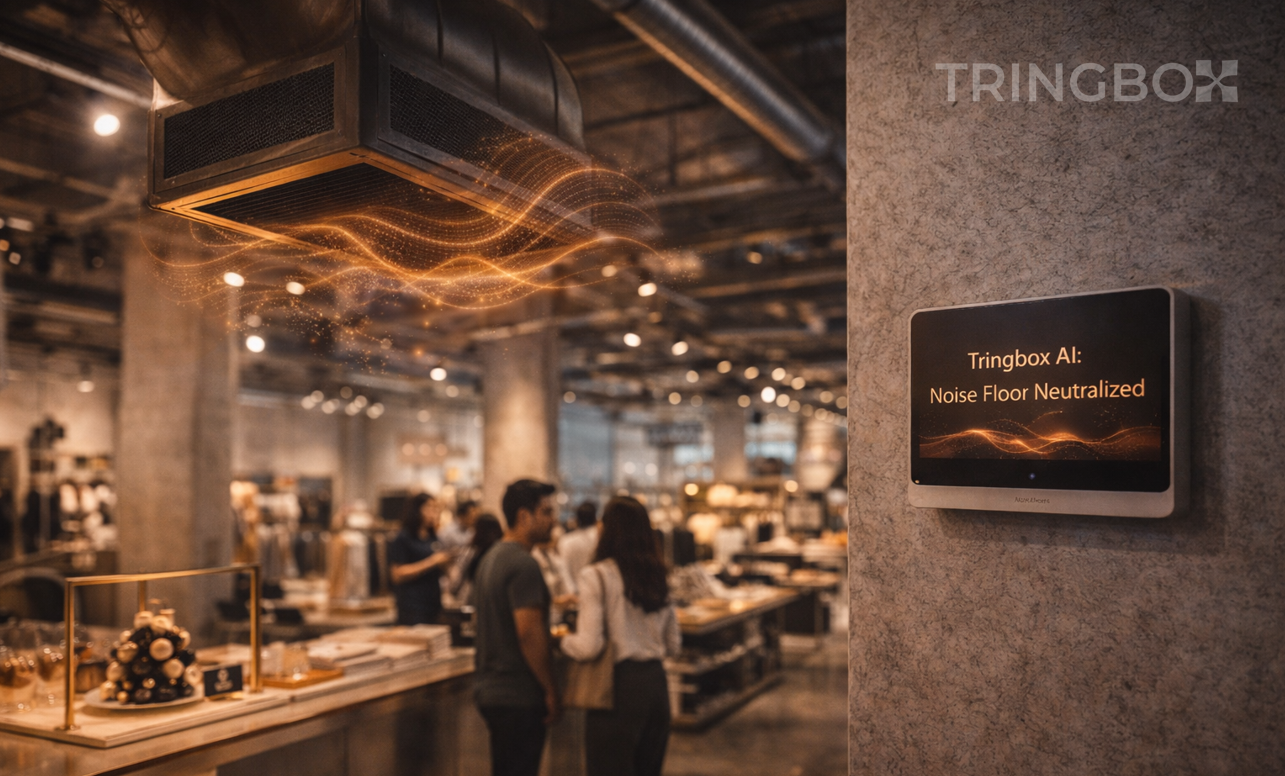
Acoustic Architecture: Managing Noise Pollution in Industrial Retail Spaces
In the industrial-chic retail landscape of 2026, many of the most sought-after commercial spaces from converted warehouses in Mumbai’s mill districts to expansive flagship stores in Bangalore suffer from a common, invisible flaw: Acoustic Pollution. High ceilings, exposed HVAC systems, the hum of heavy-duty air conditioning, and the external roar of metropolitan traffic create a 'Noise Floor' that is physically exhausting for customers. This 'Industrial Clutter' triggers a subconscious stress response, leading to 'Shopping Fatigue' and a rapid exit from the store. Traditional background music often fails here, merely adding more noise to a loud room. Tringbox InStore AI Music introduces the concept of Acoustic Architecture. By leveraging Agentic AI and Active Frequency Masking, Tringbox doesn't just play music; it re-engineers the sound of your space, neutralizing disruptive noise and replacing it with a high-performance sensory environment that breathes with your brand.

The Real Estate Vibe: How AI Music Closes the Gap in Luxury Model Homes
In the ultra-luxury real estate market of 2026, the challenge for developers in cities like Dubai, Mumbai, and London is no longer just showing a property it is selling a 'Future Self.' When a high-net-worth individual (HNWI) walks into a model home, they aren't just looking at Italian marble or smart glass; they are looking for an emotional resonance. However, many luxury sites suffer from a 'Sensory Gap'—the hollow, echoing silence of an uninhabited building that makes even the most expensive penthouse feel cold and uninviting. Tringbox InStore AI Music closes this gap. By utilizing Agentic AI that adapts to natural light, time of day, and environmental humidity, Tringbox creates a 'Living Atmosphere.' This isn't just a background playlist; it is Atmosphere Intelligence that makes a model home feel like a lived-in masterpiece, subtly nudging the buyer from 'Interest' to 'Investment.'

Healing Harmonics: Why Medical Clinics and Wellness Centers are Switching to AI-Audio
In the medical world of 2026, the 'Waiting Room Experience' is being completely re-engineered. For decades, clinics and wellness centers have been associated with a specific, clinical silence broken only by the hum of air conditioning or the distant sound of medical machinery. This silence isn't just empty; it's psychologically 'loud,' often amplifying patient anxiety and triggering a 'Fight or Flight' response before the consultation even begins. Leading healthcare providers are now pivoting to Healing Harmonics. By moving away from generic radio or awkward silence and adopting Tringbox InStore AI Music, clinics are discovering that Atmosphere Intelligence can measurably lower cortisol levels, stabilize heart rates, and create a high-trust environment where healing begins the moment a patient walks through the door.

Dessert Retail Strategy: Using 'Sweet' Frequencies to Boost Impulse Purchases
In the luxury dessert and patisserie market of 2026, the battle for the customer's palate is no longer fought with sugar and flour alone. We have entered the era of Cross-Modal Perception a scientific frontier where what a customer hears directly influences what they taste. Have you ever wondered why a high-end chocolate boutique feels different than a standard bakery? It’s not just the decor; it’s the Sonic Seasoning. Using sweet frequencies and high-pitched, melodic textures, Tringbox InStore AI is helping dessert retailers in India’s metro hubs drive impulse purchases by up to 22%. By automating your store’s atmosphere with Agentic AI, Tringbox ensures that your auditory environment isn't just background noise it’s a functional ingredient that makes your desserts taste sweeter and your brand feel more premium.
Trusted by Industry Leaders
Recognized by leading innovative platforms

NVIDIA Inception
AI Innovation Program

MongoDB for Startups
Database & Infrastructure Support

AWS Startups
Cloud Computing Resources

Salesforce for Startups
Business Growth Platform
Trusted by Industry Leaders
Recognized and backed by the world's most innovative platforms
NVIDIA Inception
AI Innovation Program

Zoho for Startups
Startup Growth Support

DPIIT Startup India
Government Recognized Startup
MongoDB for Startups
Database Support Program
AWS Startups
Cloud & Scaling Support
Salesforce for Startups
Business Growth Platform
What is Tringbox InStore AI Music
Tringbox InStore AI Music is a smart music system for shops, cafes, offices, gyms, and public spaces. Instead of playing the same playlist every day, it automatically plays the right music based on what is happening in your space at that moment. You don't need to change anything, music adjusts on its own.
What Tringbox Does
Real Time Environment Reading
Understands what customers emotionally need at every moment
Automatic Music Selection
Continuously adapting the perfect soundtrack throughout the day
Effortless Ambience
No playlists, no manual switching, no guesswork just magic
What is Tringbox InStore AI Music
Tringbox InStore AI Music is a smart music system for shops, cafes, offices, gyms, and public spaces. Instead of playing the same playlist every day, it automatically plays the right music based on what is happening in your space at that moment. You don't need to change anything, music adjusts on its own.
Live Context
Environmental Sensors
AI Engine
Neural Processing
Music Metrics
Audio Analysis
Instruments
Neuro Output
Brain Chemistry
Discover Your Perfect Ambiance
Tringbox Adapts Perfectly to any Venue type
No venues found for ""
Research & Evidence
Science Behind Tringbox
Neuroscience research on soundscapes
Dwell Time
More browsing
Lower BPM music triggers dopamine release.
Perception
Premium feel
Familiar harmonics enhance trust.
Experience
Repeat visits
Oxytocin release creates familiarity.
Conversion
Impulse buys
Dopamine improves reward anticipation.
Research & Evidence
The Science Behind Tringbox
Decades of peer-reviewed neuroscience research proves how engineered soundscapes influence human behavior and drive measurable business outcomes.
Dwell Time
Customers browse longer
Lower BPM music triggers dopamine release, keeping customers comfortable enough to stay longer without realizing why.
Perception
Premium brand feel
Familiar harmonic structures increase serotonin, reducing decision stress and enhancing trust in your brand.
Experience
Higher repeat visits
Oxytocin release through emotionally safe soundscapes creates subconscious familiarity and comfort.
Conversion
Impulse purchases up
Dopamine elevation improves reward anticipation and reduces friction during decision making.
How to Get Started
Transform your venue in 4 simple steps
Subscribe to Tringbox
Choose a plan and activate your subscription
Share Your Store Details
Our team helps you in a quick onboarding call
AI Training (Upto 72 Hrs)
We tune the engine specifically for your brand
Login & Play
No hardware needed. Works on any device.
How to Get Started
Transform your venue's atmosphere in four simple steps. No complex setup, no hardware required.
Subscribe to Tringbox
Choose a plan and activate your subscription
Share Your Store Details
Our team helps you in a quick onboarding call
AI Training (Upto 72 Hrs)
We tune the engine specifically for your brand
Login & Play
No hardware needed. Works on any device.
How Tringbox is Different
Adaptive music for any environment
Yes
No
No
Yes
No
Yes
No
Yes
Limited
Yes
Yes
No
Limited
300K+
No hardware. No setup. No friction.
How Tringbox is Different
Intelligent music that reads your environment and delivers the perfect soundtrack.
Yes
No
No
Yes
No
Yes
No
Yes
Limited
Yes
Yes
No
Limited tracks
300,000+ tracks
This reads like SaaS, not audio. No hardware. No setup. No friction.