
How In-Store Music Influences Customer Behaviour and Buying Decisions
The Psychology of Sound and Why Customers Buy More When a Space Sounds Right
By
Tringbox Team
Published
Dec 16, 2025

Customers rarely notice in-store music consciously, yet it is constantly shaping how they behave. Music influences walking speed, browsing depth, emotional comfort, and purchase confidence without requiring attention. This is why two stores with identical products and pricing can perform very differently. The difference lies in how customers feel inside the space. In 2025, understanding how in-store music influences customer behaviour is no longer optional for businesses that want to grow. This guide explains the psychological mechanisms behind sound, how music changes buying decisions, and why intelligent music systems like Tringbox are becoming a core part of experience design.
Customers respond to sound before they think
How music controls walking speed and browsing
Music shapes perception of time
Emotional safety leads to spending confidence
Music affects perceived product quality
Why repetition causes behavioural fatigue
Music and brand personality alignment
Different behaviours across different venues
Why playlists cannot manage behavioural complexity
How intelligent in-store music changes behaviour automatically
Behaviour design vs entertainment
Conclusion
In-store music influences customer behaviour not through conscious listening, but through emotional regulation. It controls pace, comfort, patience, and confidence all of which directly impact sales. Businesses that understand this do not ask which songs to play. They ask how customers should feel at each moment. Intelligent systems like Tringbox apply behavioural science to sound, ensuring customers feel comfortable without knowing why. In 2025, the most successful spaces are not louder or trendier. They are emotionally smarter.
Recommended for you

Unboxing the Vibe: Why Your Gift and Flower Shop Needs AI Music in 2026
When a customer steps into your gift boutique or fresh flower shop, they are almost always shopping with a specific emotion in mind. They might be looking for a celebratory birthday gift, a romantic anniversary bouquet, a festive holiday hamper, or a comforting token of sympathy. Gifting is a deeply personal, thoughtful, and emotional act. You have likely spent significant effort arranging colorful floral displays, styling unique gift wraps, and infusing the air with the natural scent of fresh blooms. But what does your shop actually sound like?
If your store is dead silent, it feels cold, stark, and transactional—completely clashing with the warm, joyful purpose of your products. On the other hand, letting a staff member blast a random radio station with loud car commercials or standard pop music completely disrupts the thoughtful, browsing mood. That is why progressive florists and boutique owners are upgrading to Tringbox Gift and Flower Shop Music. Instead of manual playlists, Tringbox uses AI to automatically handle your background audio, keeping the environment welcoming, emotionally resonant, and perfectly optimized for seasonal rushes.

Licensed Background Music Without the Daily Back-and-Forth
Music inside a commercial space is no longer just a nice-to-have background layer. It is a fundamental operational tool that dictates how a customer reads the brand before speaking to staff, before scanning a menu, before entering a trial room, and before making a final purchase decision. A store can have flawless lighting, a signature fragrance, highly trained teams, and premium interiors, but if the music is legally unmanaged or emotionally mismatched, the overall ambience collapses. For modern retail, hospitality, wellness, and corporate office brands, the challenge is not simply to play songs. The true challenge is to shape a repeatable, legally secure emotional experience across many physical locations without bogging down the operations and finance teams in daily copyright disputes. This is where Tringbox AI positions music as an operating system for ambience—delivering a fully cleared catalog that protects your business. The core promise is simple: a massive reduction in the licensing headache required for commercial music usage, ensuring your brand operates with structure and legal confidence.
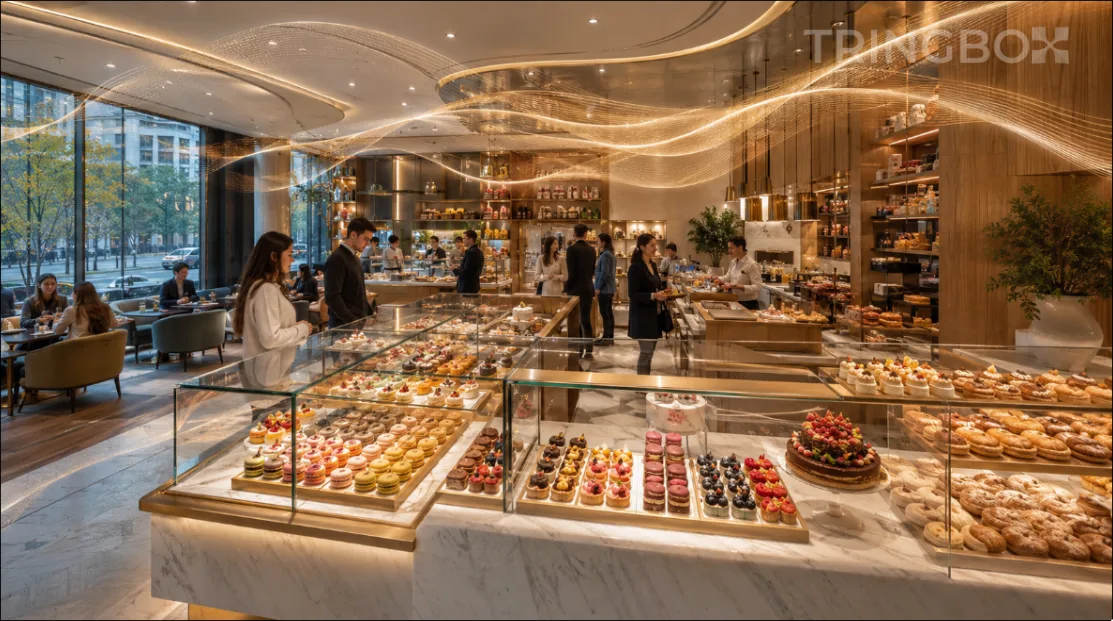
Sweetening the Basket: Why Your Confectionery and Snack Shop Needs AI Music in 2026
When a customer steps into your confectionery showroom, sweet shop, or artisanal bakery, their primary drivers are immediate indulgence, visual temptation, and sensory joy. The aroma of freshly baked bread, the vibrant rows of colorful macarons, and the neat displays of premium chocolates are all designed to spark immediate cravings. You have spent significant capital on crisp glass display counters, clean presentation lighting, and professional cooling systems to keep your treats looking immaculate. But what does your shop actually sound like?
If your showroom is dead silent, it creates a cold, clinical, and rushed environment that makes clients grab their quick takeaway and head out immediately. On the other hand, playing a random radio station or a staff member's personal streaming app introduces jarring ads or erratic pop beats that completely clash with the premium, indulgent mood. That is why progressive snack brands and sweet showrooms are upgrading to Tringbox Confectionery and Snacks Music. Instead of manual playlists, Tringbox uses Agentic AI to automatically manage your background audio, keeping the environment warm, inviting, and perfectly optimized to drive higher transaction sizes.

The Frequency of Mindfulness: Designing the Ultimate Sonic Grounding for Yoga and Meditation Studios
Step into a premium wellness sanctuary in 2026, and your nervous system instantly looks for a reason to let go. From the earth-toned architectural finishes to the subtle aroma of warm cedarwood, every elemental layer is calibrated to transition the mind from daily cognitive fatigue into an active state of presence. Yet, many elite studios face a persistent obstacle: environmental audio friction. Allowing street traffic, shifting footsteps, or repetitive, uncurated generic ambient tracks to bleed into a deep meditation or vinyasa session breaks mental immersion and triggers subtle stress responses. To establish a profound, unshakeable sanctuary of peace, leading wellness operators are re-engineering their sound layers. For a closer look at acoustic grounding, Kabir Malhotra recently shared a fascinating exploration on how responsive background frequencies lower heart rate variability during practice. Syncing your studio's acoustic signature with physiological movement is the final frontier in holistic wellness design.
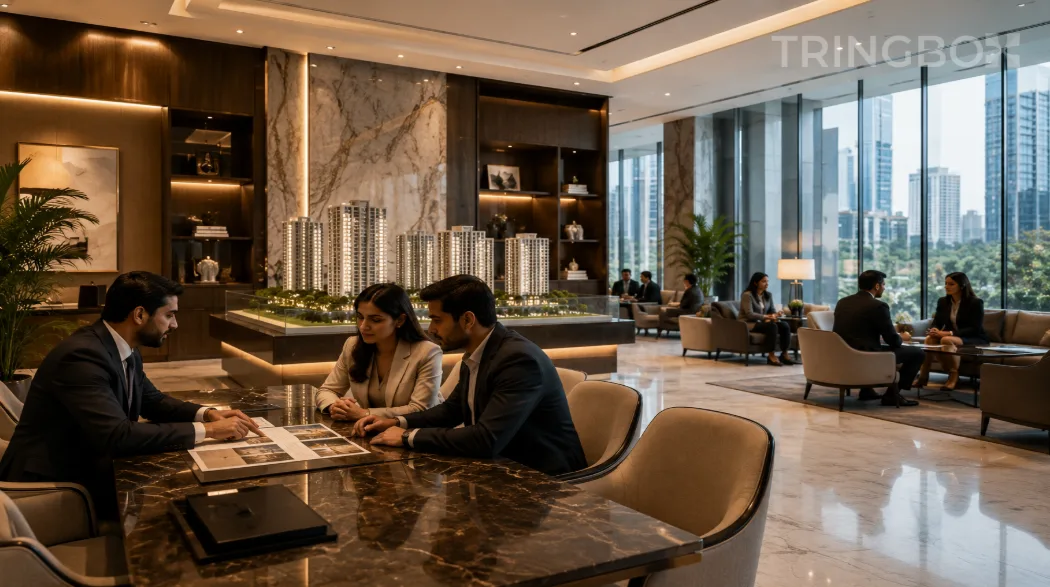
The Architecture of Trust: Elevating High-Value Property Deals with Premium Office Ambiance
Walk into a premier real estate brokerage or property lounge in 2026, and you are immediately immersed in an environment built to project financial confidence. From the bespoke marble conference tables to the sweeping architectural scale models, every visible detail is curated to reflect premium worth and legacy stability. However, many real estate firms neglect the invisible layer that directly influences client comfort: their corporate acoustic profile. Leaving a closing lounge echoing with hollow footsteps, loud keyboard typing, or generic commercial radio loops creates immediate subconscious friction. To construct an environment that naturally fosters trust and calm deliberation, forward-thinking real estate groups are radically overhauling their overhead sound. For an expert look at spatial acoustics in commercial storefronts, Vikram Malhotra recently published an excellent field study on why optimized ambient soundscapes reduce high-ticket transaction stress. Transforming your office's sound layer to match your architectural standard is the ultimate closing tool.
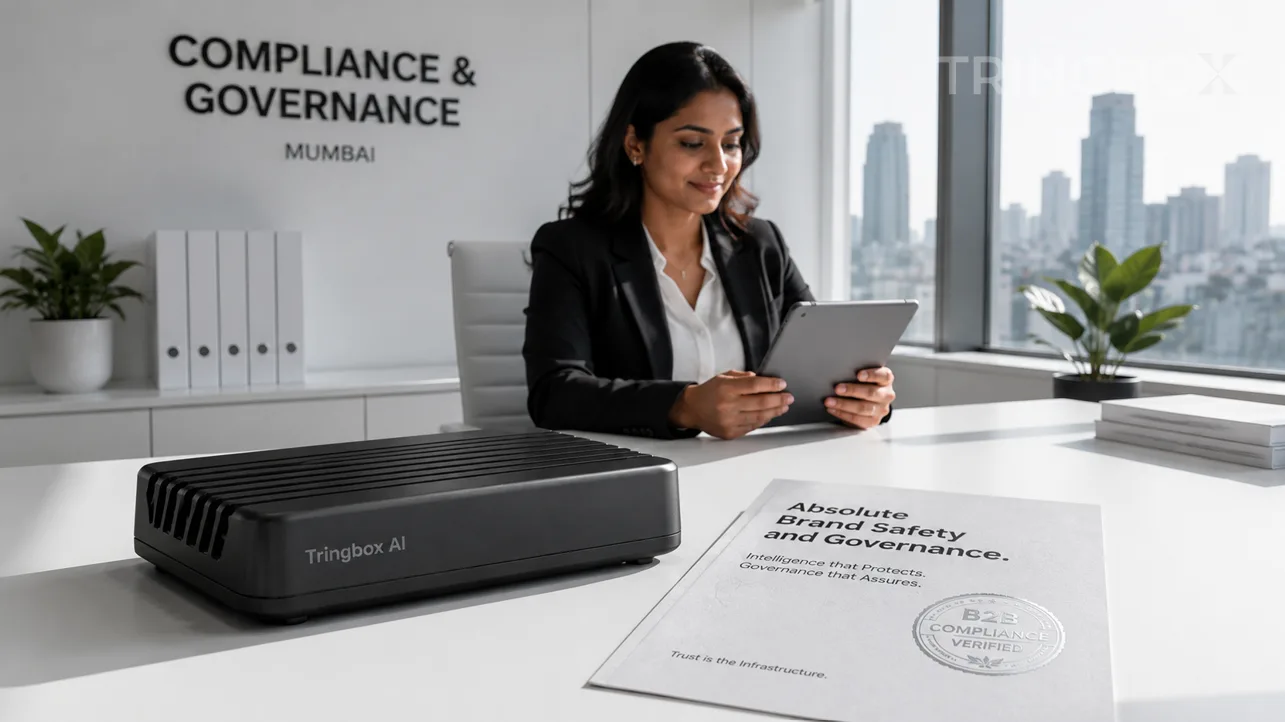
Brand-Safe Music Experiences: Why Commercial Spaces Need More Than Personal Playlists
Music inside a commercial space is no longer just a nice-to-have background layer. It is a fundamental operational element that dictates how a customer reads your brand long before speaking to staff, before scanning a menu, before entering a trial room, and before making a final purchase decision. A store can feature brilliant lighting, a signature fragrance, highly trained teams, and premium interiors, but if the music is unmanaged, inappropriate, or legally exposed, the overall ambience will instantly collapse. For modern retail, hospitality, wellness, and office brands, the challenge is not simply to play songs. The true operational challenge is to shape a repeatable, legally secure emotional experience across many physical locations, many time slots, and many shifting customer moods. Marketing and compliance teams are recognizing that personal streaming habits are wholly insufficient for commercial governance. This is where Tringbox AI positions music as an operating system for ambience offering not just acoustic intelligence, but a robust framework for absolute brand safety.
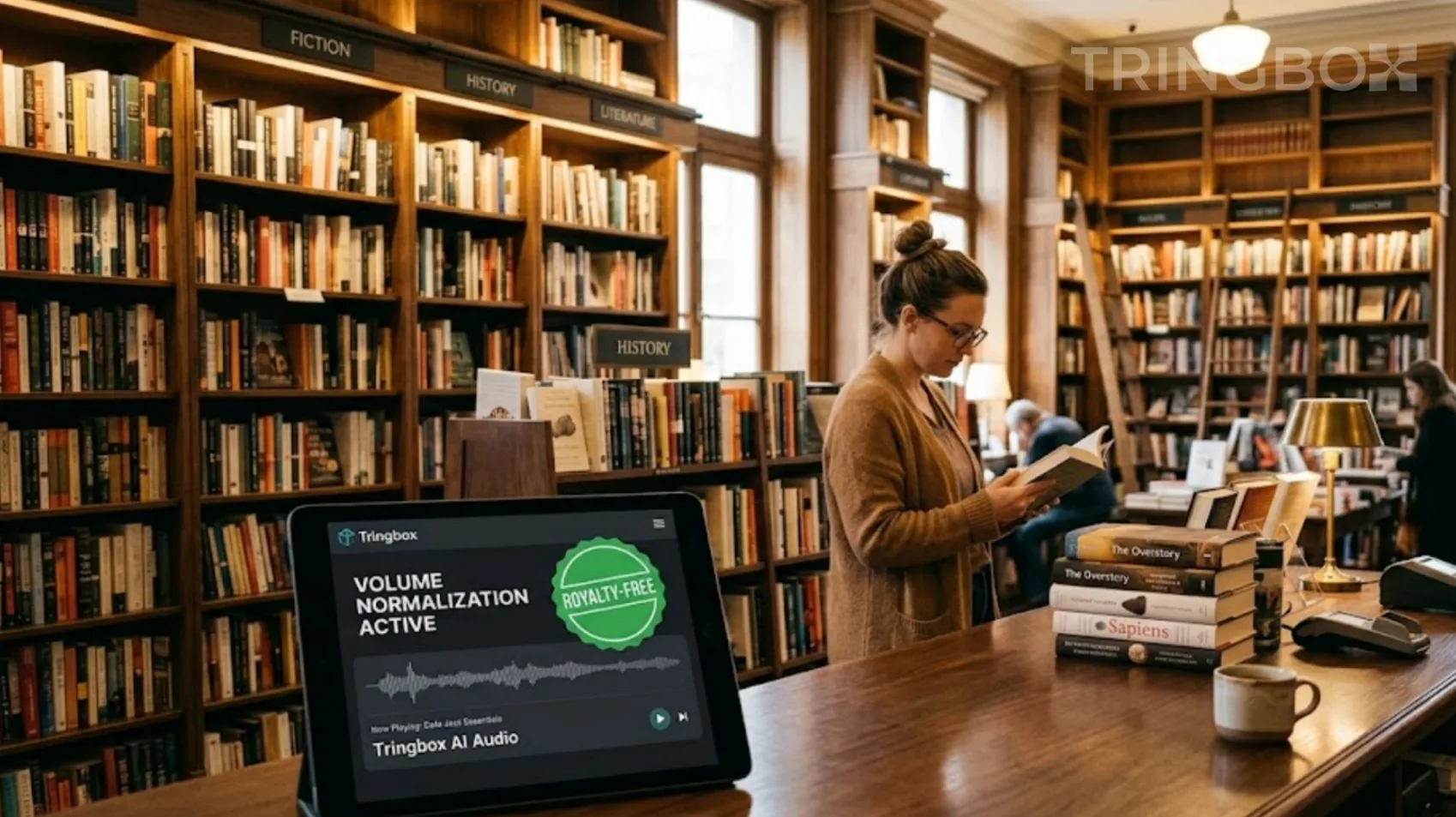
The Cost of Silence: How Acoustic Dead Zones Sabotage Customer Comfort and Sales
Have you ever walked into a commercial space where the silence was so profound it felt intimidating? Every footstep echoed, hushed conversations felt completely exposed, and the overwhelming urge was simply to turn around and leave. This phenomenon, known as the 'acoustic dead zone,' is a silent killer of retail conversion rates in 2026. For highly consultative environments like a Jewelry Store or deeply immersive spaces like a Bookstore / Stationery, failing to provide a functional audio mask creates massive consumer anxiety. On the opposite end of the spectrum, unmanaged audio that blasts indiscriminately over a crowded room creates an exhausting, chaotic roar that actively drives customers out the door. Maintaining the perfect acoustic equilibrium is a full-time job that cannot be left to distracted frontline staff. Tringbox resolves this critical friction point using advanced Agentic AI. By autonomously normalizing volume levels and curating a 100% royalty-free soundscape, Tringbox ensures your store is never awkwardly silent and never overwhelmingly loud, maximizing customer comfort and dwell time.
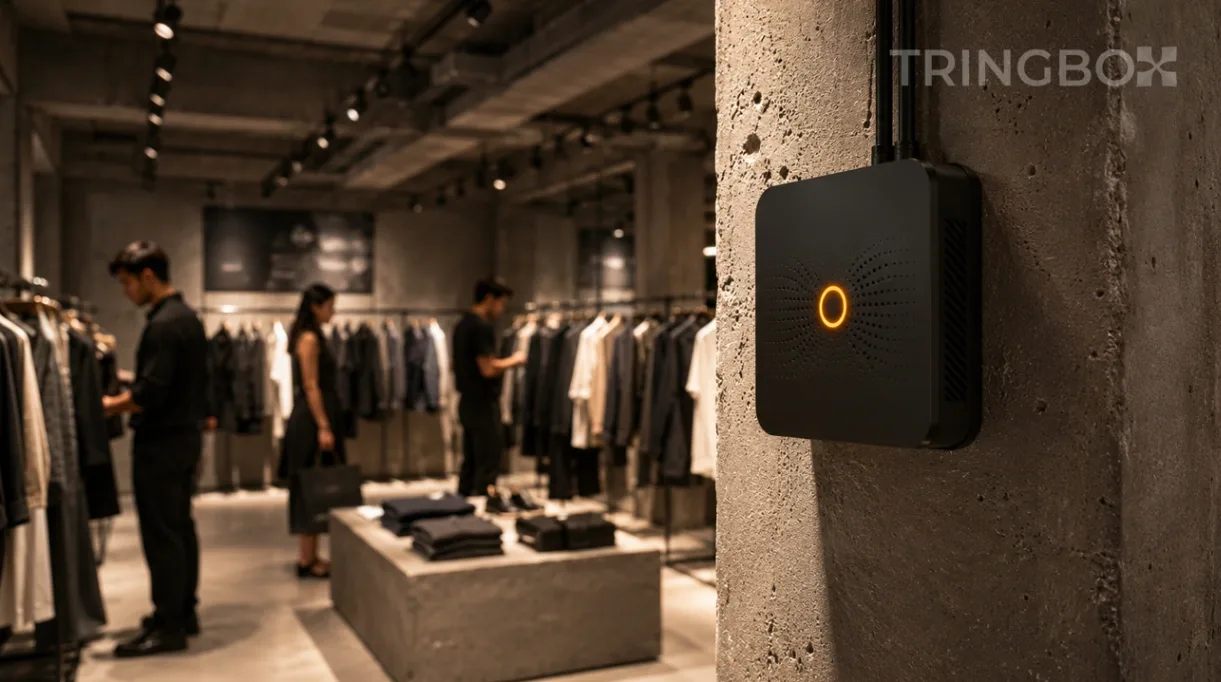
The Store Experience Should Never Go Offline: Building Music Uptime Into Ambience
Music inside a commercial space is no longer just a nice-to-have background layer. It is a fundamental part of how a customer reads the brand before speaking to staff, before scanning a menu, before entering a trial room, and before making a final purchase decision. Customer Experience (CX) leaders obsess over Point of Sale (POS) uptime, lighting consistency, and inventory accuracy, yet auditory ambience is frequently left unmonitored. A store can have flawless lighting, a signature fragrance, highly trained teams, and premium interiors, but if the music unexpectedly drops, the overall ambience immediately feels disconnected and sterile. For modern retail, hospitality, wellness, and office brands, the challenge is not simply to play songs. The true operational challenge is to shape a repeatable emotional experience across many physical locations, and to guarantee that experience never goes offline. This is where Tringbox AI positions music as a vital operating system for ambience, rather than a fragile playlist dumped into a consumer speaker. The core promise is simple: proactive ambience monitoring that treats in-store music uptime as a top-tier operational metric.
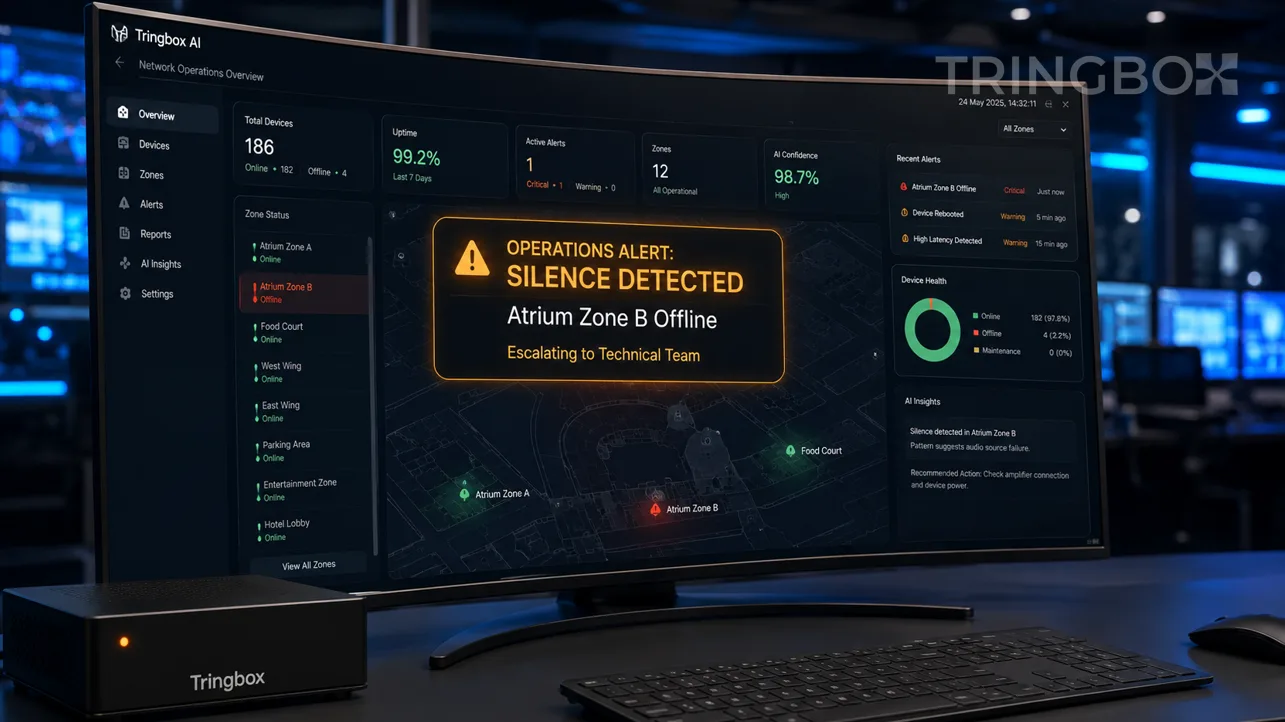
Silence Is an Operations Problem: How Tringbox AI Keeps Outlets Sounding Alive
Music inside a commercial space is no longer just a nice-to-have background layer. It is part of how a customer reads the brand before speaking to staff, before scanning a menu, before entering a trial room, and before making a purchase decision. A store can have great lighting, good fragrance, highly trained teams, and premium interiors, but if the music suddenly drops and fails to match the moment, the overall ambience can still feel completely disconnected. For modern retail chains, hospitality groups, and malls, the challenge is not simply to play songs. The true operational challenge is to shape a repeatable emotional experience across many physical locations, changing time slots, and varying customer moods. This is where Tringbox AI positions music as a vital operating system for ambience, not as a static playlist dumped into a speaker. The core promise is simple: proactive ambience monitoring with relevant Point of Contact (POC) alerts. This ensures that silence is treated as the severe operations problem it truly is, keeping your physical space intentional, brand-aligned, and alive.
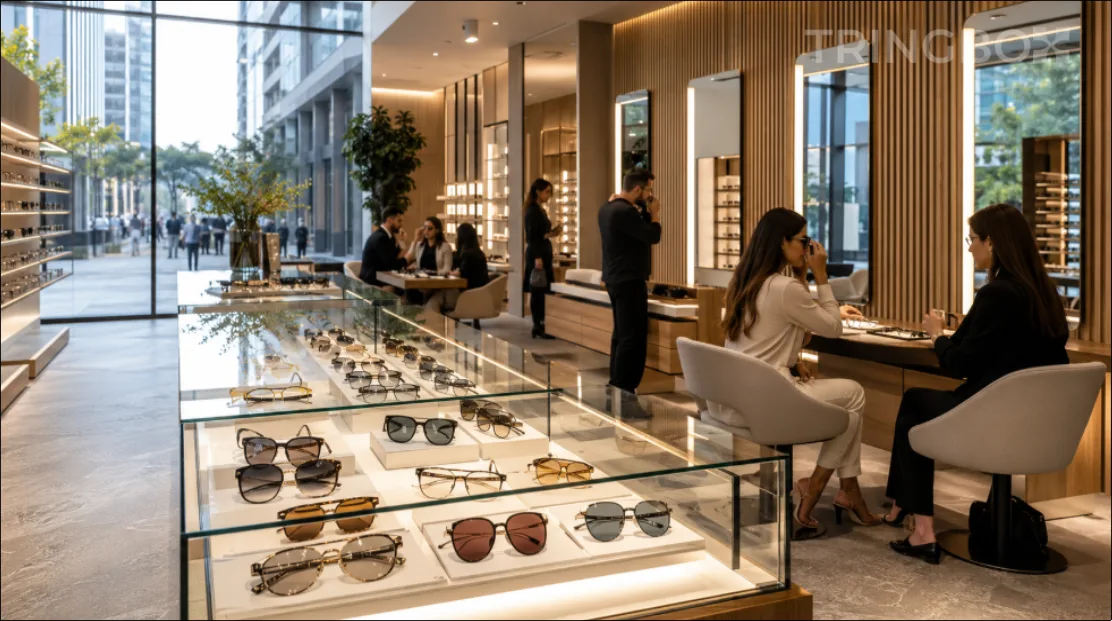
Framing the Vibe: Why Your Eyewear Store Needs AI Music in 2026
When a customer walks into your eyewear store or premium optical showroom, they are looking for a mix of healthcare and personal fashion. Buying a new pair of prescription glasses or designer sunglasses is a highly visual and analytical decision. Customers stand in front of mirrors for long periods, swapping out frames, checking angles, and asking for opinions. You have likely invested heavily in bright, shadow-free LED lighting, clean glass displays, and high-end mirrors to make this process seamless. But what does the store actually sound like?
If your showroom is dead silent, it creates an uncomfortable library environment. Shoppers feel self-conscious standing at the mirrors, and they can easily overhear staff conversations or medical optical testing inside the eye-check clinic. On the other hand, playing a random radio station or a personal Spotify playlist with loud, distracting lyrics breaks the premium retail mood. That is why modern optical retailers are upgrading to Tringbox Eyewear Store Music. Instead of manual playlists, Tringbox uses AI to automatically handle your store's background audio, keeping the environment premium, relaxed, and perfectly optimized for high-ticket sales.