
Using Old Music in Bookstores in 2025?
How Nostalgia and Sound Create Calm, Focus, and Emotional Attachment

Bookstore owners and readers both share a deep emotional connection to the past. Old music, vintage melodies, and nostalgic soundscapes create something modern playlists never can: emotional safety. That is why people search for old music to play in bookstores, reading cafés, and stationery shops. But playing old songs randomly does not automatically create the right mood. In 2025, nostalgia must be engineered carefully. This guide reveals how old music, when intelligently designed through systems like Tringbox, turns bookstores into places people want to stay in, browse longer, and emotionally bond with.
1. Why vintage and old music feels psychologically perfect inside bookstores
2. The powerful psychology of nostalgia in retail
3. Why random old playlists often fail to set the mood
4. Bookstores are quiet emotional spaces requiring subtle sound
5. How Tringbox curates the perfect nostalgic ambience
6. Different zones need different shades of nostalgia
7. Why time of day matters even in a bookstore
8. The risks of using YouTube for old music
9. How emotional connection increases book sales
10. Creating magical bookstore moments with sound
11. Tringbox ensures consistent and safe nostalgia
Conclusion
Old music is not just sound. It is memory, comfort, and emotional safety. In a bookstore, that feeling matters more than any shelf or signboard. Tringbox transforms nostalgic music into a carefully designed reading atmosphere that keeps people calm, focused, and emotionally connected to your store. Your bookstore does not need louder music. It needs the right memories in sound. Tringbox creates them.
Recommended for you
"Sound as a Surface": Audio’s Role in Modern Interior Design
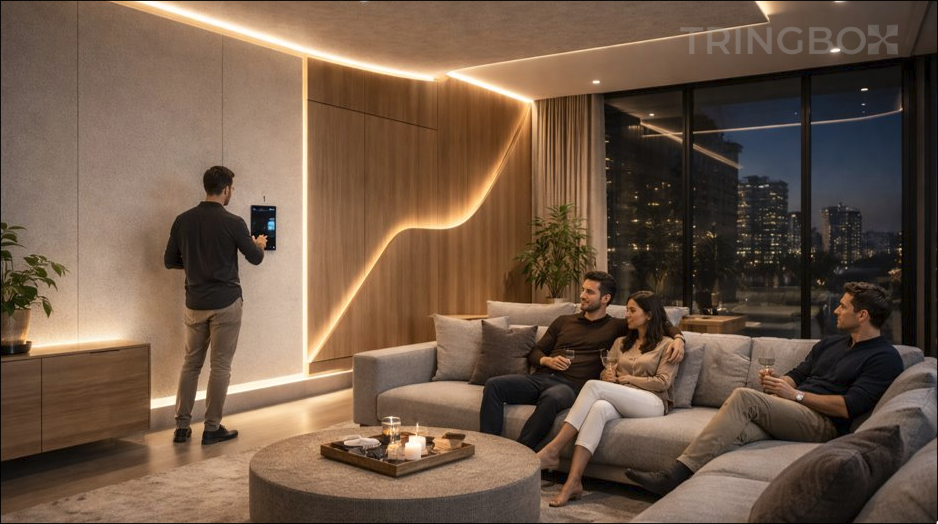
When you evaluate the design of a premium commercial space, your eyes naturally gravitate toward the tangible elements. You notice the warmth of the ambient lighting, the texture of the reclaimed wood, and the ergonomic flow of the floor plan. For decades, interior designers and commercial architects focused entirely on these visual and tactile surfaces. Background music was treated as a completely separate operational afterthought, usually handled by a store manager with a consumer streaming app on opening day. Today, that fragmented approach is entirely obsolete. In the elite tiers of modern commercial architecture, sound is no longer considered background noise; it is treated as an active, structural surface. Leading designers understand that a meticulously crafted visual environment can be instantly destroyed by a harsh, uncurated auditory landscape. Welcome to the era of spatial sonic branding. By integrating intelligent, context-aware audio curation during the blueprint phase, brands can deploy a cohesive 'sonic logo' that fills the physical space, creating a deeply immersive, multi-sensory environment that drastically elevates perceived value and customer retention.
AI vs. The Algorithm: Why Human-Led AI is Winning in Retail Audio
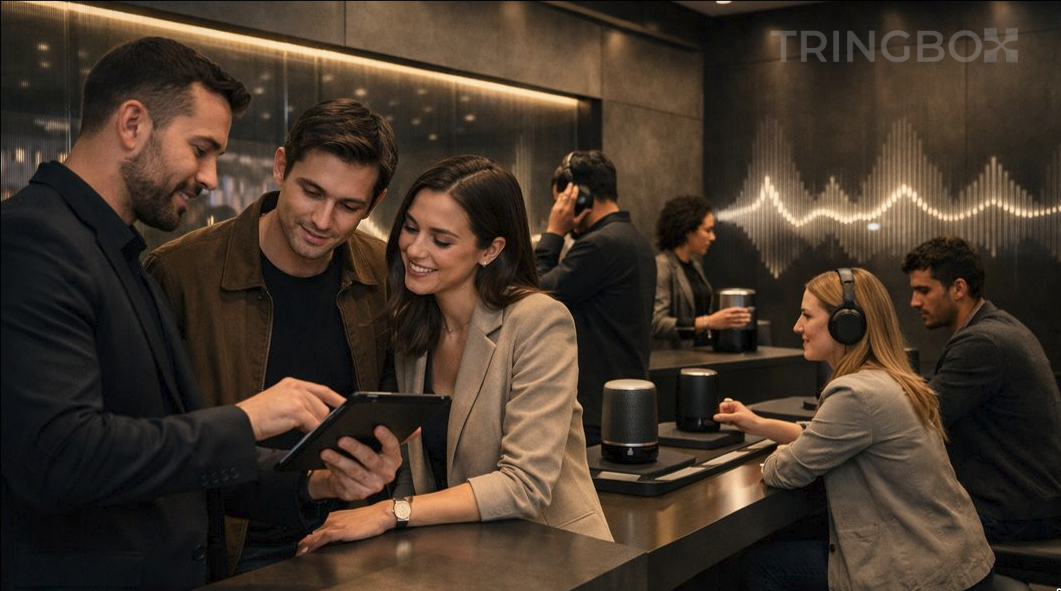
The rapid advancement of artificial intelligence has sparked a profound and entirely understandable fear across creative industries. Business owners, brand managers, and musicians alike frequently express a deep anxiety that handing over their commercial audio to a machine means surrendering their brand's unique identity. They fear that AI will strip the emotion, the nuance, and the very 'soul' out of their physical spaces, replacing it with cold, calculated, and entirely robotic outputs. However, this fear stems from a fundamental misunderstanding of the technology. People are confusing the rigid, traditional 'algorithm' of the past decade with the dynamic, human-led AI models of 2026. The truth is that artificial intelligence is not designed to replace human taste; it is designed to scale it. In the highly competitive world of retail and hospitality, the most successful brands are those that combine the irreplaceable emotional intuition of a human music curator with the limitless processing power of an AI engine. By embracing this hybrid approach, enterprise operators can take the intimate, perfectly crafted vibe of a single flagship boutique and seamlessly replicate it across one hundred different locations simultaneously. Human-led AI is winning because it preserves the soul of your brand while entirely solving the logistical nightmare of enterprise scale.
The 10-Minute Delivery War: Why Physical Stores Must Sound Better
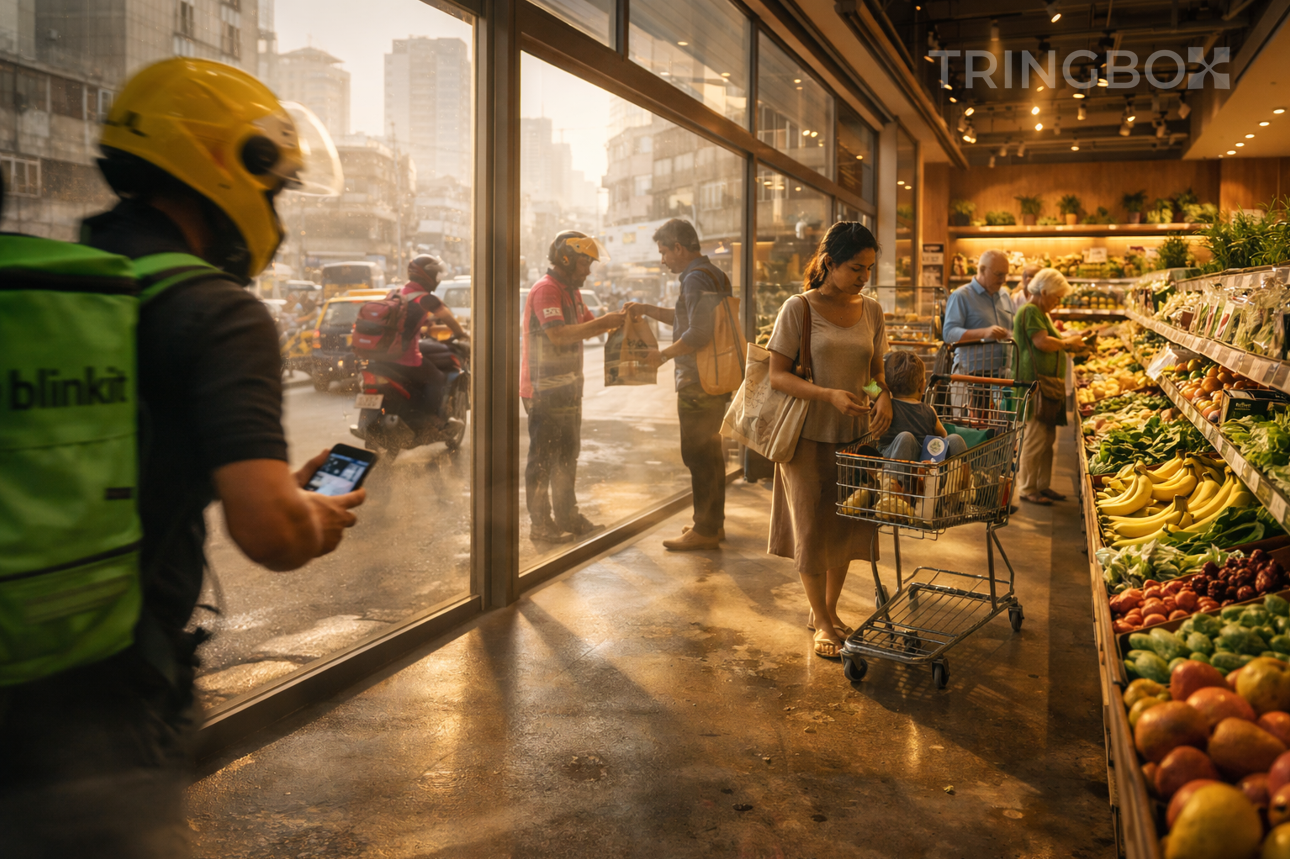
The 10-minute delivery war is completely reshaping the Indian consumer landscape. With quick commerce platforms like Blinkit and Zepto delivering everything from fresh groceries to electronics almost instantly, the fundamental reason people visit physical stores is being severely challenged. Pure convenience has been commoditized by a smartphone screen. To survive this brutal shift, brick and mortar retailers must realize they can no longer compete purely on speed, proximity, or basic inventory. They must compete entirely on human experience. This is where using experiential retail as a defense against e-commerce becomes the most critical operational strategy for 2026. If you want a customer to endure a 20-minute commute through chaotic city traffic to reach your supermarket, your physical space must offer a sensory environment that an app simply cannot replicate. While visual merchandising is foundational, the auditory atmosphere is what ultimately dictates the emotional vibe of your store. By deploying intelligent, adaptive instore music, physical retailers can transform a mundane shopping chore into an immersive, highly enjoyable leisure activity that makes the journey completely worth the effort.

Beyond "Genre": Why 2026 is the Year of "Mood-Based" Selection
For over half a century, the commercial audio industry has organized sound the exact same way a traditional record store does: by genre. If a retail manager wanted an upbeat atmosphere, they selected 'Pop.' If a luxury hotel lobby needed a sophisticated background, they defaulted to 'Jazz.' In 2026, this outdated, completely arbitrary method of categorization is officially dead. Relying on broad musical genres is a remarkably inefficient way to manage a physical commercial space because it entirely ignores the physiological and emotional impact of the sound. A 'Pop' song can be deeply melancholic, and a 'Jazz' track can be incredibly frantic and anxiety-inducing. To truly optimize a retail environment, forward-thinking brands are abandoning traditional genres entirely. Instead, they are categorizing music by its direct 'Neuro-Output'—its scientifically measured ability to trigger specific neurotransmitters like Dopamine, Serotonin, and Oxytocin. By shifting the focus from what a song sounds like to how a song makes the human brain react, businesses can deploy biometric-aligned music curation to literally engineer customer comfort, maximize dwell time, and predictably drive massive increases in sales.

The Neuroscience of Relaxation: Why Wellness Centers are Moving to AI-Adaptive Audio
In the luxury wellness industry, the environment is the product. While premium spas invest millions in Italian marble and rare essential oils, the auditory layer is often a neglected afterthought—usually a repetitive loop of generic 'pan-flute' tracks. In 2026, the global wellness market has shifted toward 'Bio-Harmonic Environments.' Modern guests, saturated by high-frequency urban stress, possess a heightened sensitivity to auditory stimuli. Static, repetitive music doesn't just fail to relax them; it triggers 'audio-predictability stress,' where the brain subconsciously anticipates the next note, preventing deep meditative states. To maintain a competitive edge, wellness centers must evolve toward AI-adaptive neuro-acoustic soundscapes that synchronize with the human nervous system.

The Dopamine Effect: How Smart Retailers Use Sound to Drive Impulse Buys
In the hyper-competitive world of 2026 retail, the battle for the consumer's wallet is no longer won through visual displays alone. While 'Quick Commerce' apps offer convenience, physical retail must offer a 'neuro-sensory experience' to survive. One of the most powerful, yet often overlooked, tools in a retailer's arsenal is the auditory environment. Sound has a direct, subconscious link to the brain's reward center—the nucleus accumbens. When a store's audio environment is perfectly tuned to the shopper's demographic and the time of day, it triggers a dopamine release that reduces 'buyer's remorse' and encourages impulse purchasing. Retailers who ignore this are leaving significant revenue on the table. By transitioning from static, unoptimized playlists to AI-driven adaptive audio, brands can move beyond background noise and start engineering high-conversion shopping environments.
Why Luxury Stores Sound Different: The Science Behind Premium Retail Music
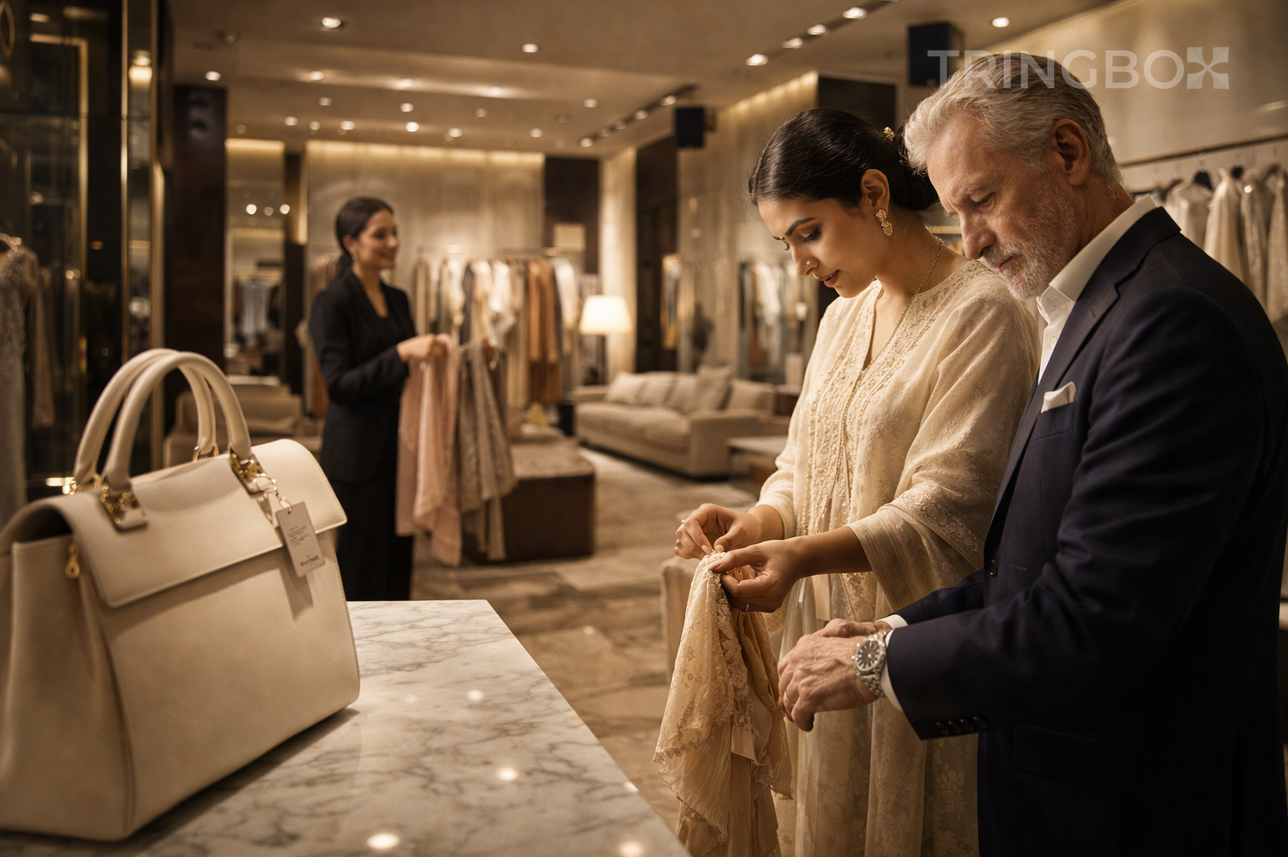
Have you ever stepped off a chaotic, noisy mall concourse and walked into a high-end luxury fashion boutique? The shift in atmosphere is immediate, physical, and profoundly intentional. The lighting is dramatic, the visual merchandising is sparse, but most importantly, the auditory environment completely changes. The frantic, high-decibel pop music of the corridor is replaced by a meticulously curated, deeply sophisticated soundscape. This is not a coincidence; it is a highly calculated application of retail psychology. In the luxury sector, where businesses are selling exclusivity, status, and craftsmanship, the physical environment must perfectly reflect those exact values. If a showroom looks like a million dollars but sounds like a cheap radio station, the psychological illusion of luxury instantly shatters. By understanding the intricate science behind tempo, volume, and genre curation, premium retailers can use intelligent audio strategies to lower customer stress, increase perceived brand value, and effortlessly justify their premium price points.
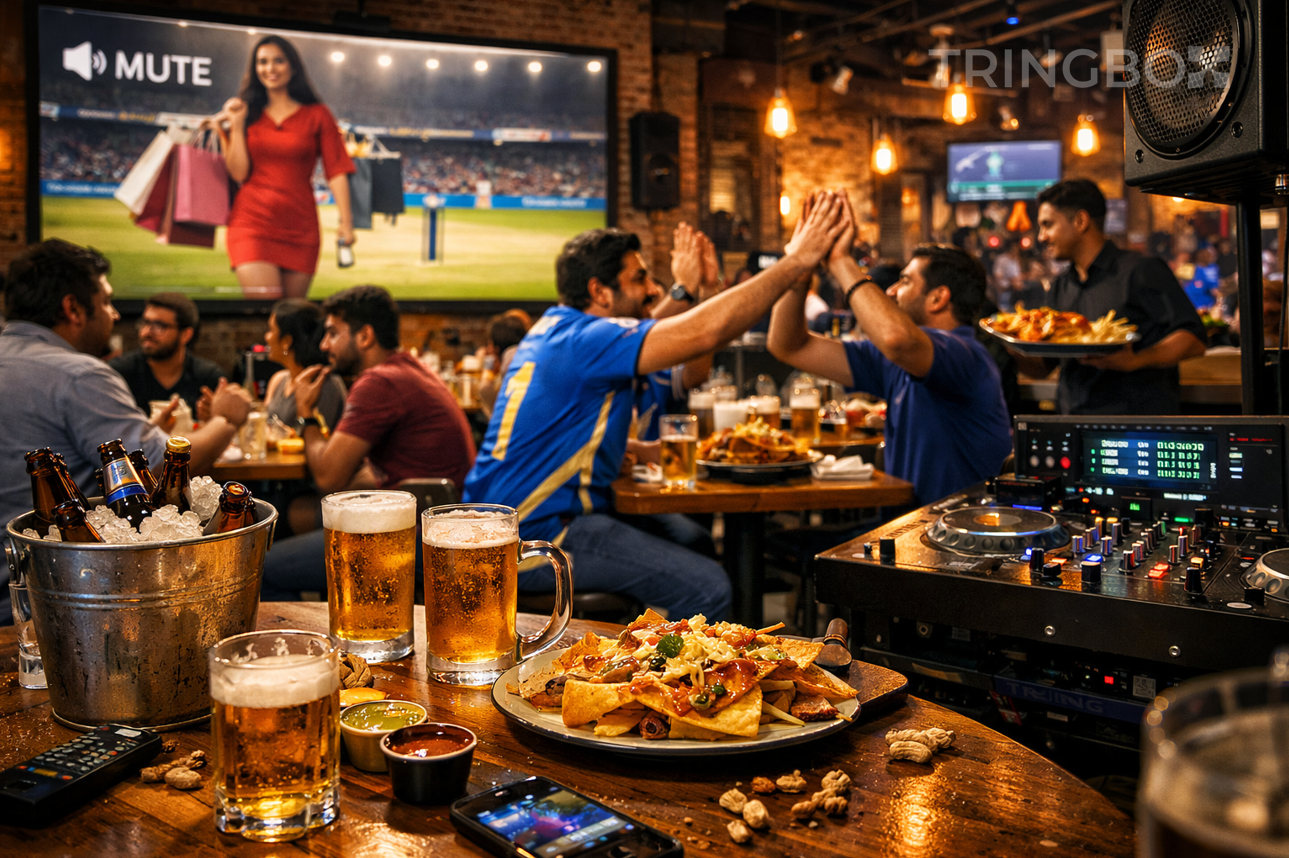
How Cafés & Restaurants Can Use Music & Sound During IPL Match Days
The Indian Premier League season represents a massive, multi-month revenue opportunity for the hospitality sector. Across the country, cafés, pubs, and restaurants transform into high-energy viewing arenas, drawing in massive crowds eager to support their favorite franchises. However, hosting a successful screening involves far more than simply renting a large projector and stocking the bar. The auditory environment of a live sports broadcast is inherently chaotic, filled with blaring whistles, shouting commentators, and sudden commercial breaks. When venue operators fail to proactively manage this acoustic landscape, the resulting noise fatigue drives customers out the door long before the second innings begins. To truly capitalize on the IPL season, business owners must master sports hospitality psychology. By strategically using dynamic instore music to build pre-match anticipation, balance live broadcast audio, and seamlessly manage the post-match crowd energy, venues can create a premium stadium-like experience that maximizes dwell time and significantly boosts food and beverage sales.
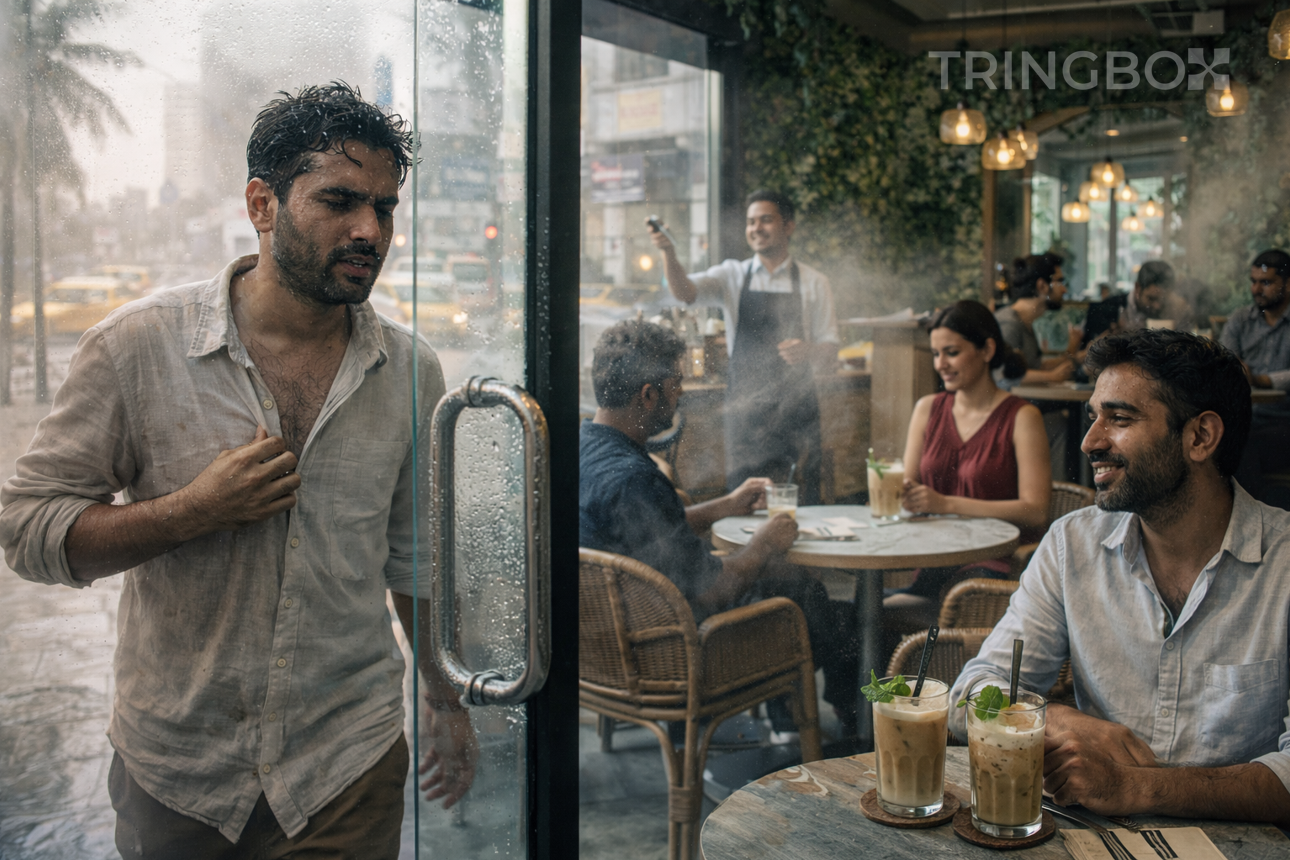
How Hot Weather Changes Customer Mood in Stores & Cafés (And Why Music Matters)
When the summer heatwave strikes and temperatures soar to uncomfortable extremes, consumer behavior undergoes a radical transformation. In sweltering urban environments, physical retail stores and cafés cease to be mere points of transaction; they instantly become vital sanctuaries of air conditioning. However, drawing a sweating, exhausted customer inside your venue is only half the battle. The severe heat significantly elevates irritability, physical discomfort, and cognitive stress. If your business environment fails to psychologically cool them down the moment they step through the door, they will leave just as quickly as they entered. While visual merchandising and temperature control are foundational, your auditory environment is the ultimate secret weapon for mood regulation. By deploying intelligent, weather-responsive instore music, businesses can actively lower a customer's heart rate, transform their agitation into deep relaxation, and leverage the hot weather to massively increase average transaction values.

Ramzan Ambience in Restaurants & Cafés: Music, Mood, and Customer Comfort Guide
The holy month of Ramzan introduces a profound shift in the daily rhythms, cultural atmosphere, and consumer behavior across the hospitality sector. For restaurants, cafés, and luxury hotels, this period is not just about altering the menu to offer dates and traditional delicacies; it is about fundamentally transforming the emotional and sensory environment of the venue. The stark contrast between the quiet, reflective hours of daytime fasting and the vibrant, communal celebration of Iftar requires a highly nuanced approach to environmental atmospherics. Unfortunately, many businesses fail to adapt, either playing inappropriately loud commercial music during the day or relying on silent, awkward dining rooms at night. Mastering the Ramzan ambience requires a delicate balance of respect, comfort, and technological intelligence. By deploying smart, context-aware audio strategies, venue operators can create a deeply respectful daytime environment that seamlessly transitions into a warm, welcoming, and highly profitable evening experience, positioning their brand as culturally attuned and customer-centric.
Using Old Music in Bookstores in 2025?
How Nostalgia and Sound Create Calm, Focus, and Emotional Attachment
By
Tringbox Team
Published
Jan 5, 2026
Bookstore owners and readers both share a deep emotional connection to the past. Old music, vintage melodies, and nostalgic soundscapes create something modern playlists never can: emotional safety. That is why people search for old music to play in bookstores, reading cafés, and stationery shops. But playing old songs randomly does not automatically create the right mood. In 2025, nostalgia must be engineered carefully. This guide reveals how old music, when intelligently designed through systems like Tringbox, turns bookstores into places people want to stay in, browse longer, and emotionally bond with.
1. Why vintage and old music feels psychologically perfect inside bookstores
2. The powerful psychology of nostalgia in retail
3. Why random old playlists often fail to set the mood
4. Bookstores are quiet emotional spaces requiring subtle sound
5. How Tringbox curates the perfect nostalgic ambience
6. Different zones need different shades of nostalgia
7. Why time of day matters even in a bookstore
8. The risks of using YouTube for old music
9. How emotional connection increases book sales
10. Creating magical bookstore moments with sound
11. Tringbox ensures consistent and safe nostalgia
Conclusion
Old music is not just sound. It is memory, comfort, and emotional safety. In a bookstore, that feeling matters more than any shelf or signboard. Tringbox transforms nostalgic music into a carefully designed reading atmosphere that keeps people calm, focused, and emotionally connected to your store. Your bookstore does not need louder music. It needs the right memories in sound. Tringbox creates them.
Recommended for you
"Sound as a Surface": Audio’s Role in Modern Interior Design
When you evaluate the design of a premium commercial space, your eyes naturally gravitate toward the tangible elements. You notice the warmth of the ambient lighting, the texture of the reclaimed wood, and the ergonomic flow of the floor plan. For decades, interior designers and commercial architects focused entirely on these visual and tactile surfaces. Background music was treated as a completely separate operational afterthought, usually handled by a store manager with a consumer streaming app on opening day. Today, that fragmented approach is entirely obsolete. In the elite tiers of modern commercial architecture, sound is no longer considered background noise; it is treated as an active, structural surface. Leading designers understand that a meticulously crafted visual environment can be instantly destroyed by a harsh, uncurated auditory landscape. Welcome to the era of spatial sonic branding. By integrating intelligent, context-aware audio curation during the blueprint phase, brands can deploy a cohesive 'sonic logo' that fills the physical space, creating a deeply immersive, multi-sensory environment that drastically elevates perceived value and customer retention.
AI vs. The Algorithm: Why Human-Led AI is Winning in Retail Audio
The rapid advancement of artificial intelligence has sparked a profound and entirely understandable fear across creative industries. Business owners, brand managers, and musicians alike frequently express a deep anxiety that handing over their commercial audio to a machine means surrendering their brand's unique identity. They fear that AI will strip the emotion, the nuance, and the very 'soul' out of their physical spaces, replacing it with cold, calculated, and entirely robotic outputs. However, this fear stems from a fundamental misunderstanding of the technology. People are confusing the rigid, traditional 'algorithm' of the past decade with the dynamic, human-led AI models of 2026. The truth is that artificial intelligence is not designed to replace human taste; it is designed to scale it. In the highly competitive world of retail and hospitality, the most successful brands are those that combine the irreplaceable emotional intuition of a human music curator with the limitless processing power of an AI engine. By embracing this hybrid approach, enterprise operators can take the intimate, perfectly crafted vibe of a single flagship boutique and seamlessly replicate it across one hundred different locations simultaneously. Human-led AI is winning because it preserves the soul of your brand while entirely solving the logistical nightmare of enterprise scale.
The 10-Minute Delivery War: Why Physical Stores Must Sound Better
The 10-minute delivery war is completely reshaping the Indian consumer landscape. With quick commerce platforms like Blinkit and Zepto delivering everything from fresh groceries to electronics almost instantly, the fundamental reason people visit physical stores is being severely challenged. Pure convenience has been commoditized by a smartphone screen. To survive this brutal shift, brick and mortar retailers must realize they can no longer compete purely on speed, proximity, or basic inventory. They must compete entirely on human experience. This is where using experiential retail as a defense against e-commerce becomes the most critical operational strategy for 2026. If you want a customer to endure a 20-minute commute through chaotic city traffic to reach your supermarket, your physical space must offer a sensory environment that an app simply cannot replicate. While visual merchandising is foundational, the auditory atmosphere is what ultimately dictates the emotional vibe of your store. By deploying intelligent, adaptive instore music, physical retailers can transform a mundane shopping chore into an immersive, highly enjoyable leisure activity that makes the journey completely worth the effort.
Beyond "Genre": Why 2026 is the Year of "Mood-Based" Selection
For over half a century, the commercial audio industry has organized sound the exact same way a traditional record store does: by genre. If a retail manager wanted an upbeat atmosphere, they selected 'Pop.' If a luxury hotel lobby needed a sophisticated background, they defaulted to 'Jazz.' In 2026, this outdated, completely arbitrary method of categorization is officially dead. Relying on broad musical genres is a remarkably inefficient way to manage a physical commercial space because it entirely ignores the physiological and emotional impact of the sound. A 'Pop' song can be deeply melancholic, and a 'Jazz' track can be incredibly frantic and anxiety-inducing. To truly optimize a retail environment, forward-thinking brands are abandoning traditional genres entirely. Instead, they are categorizing music by its direct 'Neuro-Output'—its scientifically measured ability to trigger specific neurotransmitters like Dopamine, Serotonin, and Oxytocin. By shifting the focus from what a song sounds like to how a song makes the human brain react, businesses can deploy biometric-aligned music curation to literally engineer customer comfort, maximize dwell time, and predictably drive massive increases in sales.
The Neuroscience of Relaxation: Why Wellness Centers are Moving to AI-Adaptive Audio
In the luxury wellness industry, the environment is the product. While premium spas invest millions in Italian marble and rare essential oils, the auditory layer is often a neglected afterthought—usually a repetitive loop of generic 'pan-flute' tracks. In 2026, the global wellness market has shifted toward 'Bio-Harmonic Environments.' Modern guests, saturated by high-frequency urban stress, possess a heightened sensitivity to auditory stimuli. Static, repetitive music doesn't just fail to relax them; it triggers 'audio-predictability stress,' where the brain subconsciously anticipates the next note, preventing deep meditative states. To maintain a competitive edge, wellness centers must evolve toward AI-adaptive neuro-acoustic soundscapes that synchronize with the human nervous system.
The Dopamine Effect: How Smart Retailers Use Sound to Drive Impulse Buys
In the hyper-competitive world of 2026 retail, the battle for the consumer's wallet is no longer won through visual displays alone. While 'Quick Commerce' apps offer convenience, physical retail must offer a 'neuro-sensory experience' to survive. One of the most powerful, yet often overlooked, tools in a retailer's arsenal is the auditory environment. Sound has a direct, subconscious link to the brain's reward center—the nucleus accumbens. When a store's audio environment is perfectly tuned to the shopper's demographic and the time of day, it triggers a dopamine release that reduces 'buyer's remorse' and encourages impulse purchasing. Retailers who ignore this are leaving significant revenue on the table. By transitioning from static, unoptimized playlists to AI-driven adaptive audio, brands can move beyond background noise and start engineering high-conversion shopping environments.
Why Luxury Stores Sound Different: The Science Behind Premium Retail Music
Have you ever stepped off a chaotic, noisy mall concourse and walked into a high-end luxury fashion boutique? The shift in atmosphere is immediate, physical, and profoundly intentional. The lighting is dramatic, the visual merchandising is sparse, but most importantly, the auditory environment completely changes. The frantic, high-decibel pop music of the corridor is replaced by a meticulously curated, deeply sophisticated soundscape. This is not a coincidence; it is a highly calculated application of retail psychology. In the luxury sector, where businesses are selling exclusivity, status, and craftsmanship, the physical environment must perfectly reflect those exact values. If a showroom looks like a million dollars but sounds like a cheap radio station, the psychological illusion of luxury instantly shatters. By understanding the intricate science behind tempo, volume, and genre curation, premium retailers can use intelligent audio strategies to lower customer stress, increase perceived brand value, and effortlessly justify their premium price points.
How Cafés & Restaurants Can Use Music & Sound During IPL Match Days
The Indian Premier League season represents a massive, multi-month revenue opportunity for the hospitality sector. Across the country, cafés, pubs, and restaurants transform into high-energy viewing arenas, drawing in massive crowds eager to support their favorite franchises. However, hosting a successful screening involves far more than simply renting a large projector and stocking the bar. The auditory environment of a live sports broadcast is inherently chaotic, filled with blaring whistles, shouting commentators, and sudden commercial breaks. When venue operators fail to proactively manage this acoustic landscape, the resulting noise fatigue drives customers out the door long before the second innings begins. To truly capitalize on the IPL season, business owners must master sports hospitality psychology. By strategically using dynamic instore music to build pre-match anticipation, balance live broadcast audio, and seamlessly manage the post-match crowd energy, venues can create a premium stadium-like experience that maximizes dwell time and significantly boosts food and beverage sales.
How Hot Weather Changes Customer Mood in Stores & Cafés (And Why Music Matters)
When the summer heatwave strikes and temperatures soar to uncomfortable extremes, consumer behavior undergoes a radical transformation. In sweltering urban environments, physical retail stores and cafés cease to be mere points of transaction; they instantly become vital sanctuaries of air conditioning. However, drawing a sweating, exhausted customer inside your venue is only half the battle. The severe heat significantly elevates irritability, physical discomfort, and cognitive stress. If your business environment fails to psychologically cool them down the moment they step through the door, they will leave just as quickly as they entered. While visual merchandising and temperature control are foundational, your auditory environment is the ultimate secret weapon for mood regulation. By deploying intelligent, weather-responsive instore music, businesses can actively lower a customer's heart rate, transform their agitation into deep relaxation, and leverage the hot weather to massively increase average transaction values.
Ramzan Ambience in Restaurants & Cafés: Music, Mood, and Customer Comfort Guide
The holy month of Ramzan introduces a profound shift in the daily rhythms, cultural atmosphere, and consumer behavior across the hospitality sector. For restaurants, cafés, and luxury hotels, this period is not just about altering the menu to offer dates and traditional delicacies; it is about fundamentally transforming the emotional and sensory environment of the venue. The stark contrast between the quiet, reflective hours of daytime fasting and the vibrant, communal celebration of Iftar requires a highly nuanced approach to environmental atmospherics. Unfortunately, many businesses fail to adapt, either playing inappropriately loud commercial music during the day or relying on silent, awkward dining rooms at night. Mastering the Ramzan ambience requires a delicate balance of respect, comfort, and technological intelligence. By deploying smart, context-aware audio strategies, venue operators can create a deeply respectful daytime environment that seamlessly transitions into a warm, welcoming, and highly profitable evening experience, positioning their brand as culturally attuned and customer-centric.
Trusted by Industry Leaders
Recognized by leading innovative platforms

NVIDIA Inception
AI Innovation Program

MongoDB for Startups
Database & Infrastructure Support

AWS Startups
Cloud Computing Resources

Salesforce for Startups
Business Growth Platform
Trusted by Industry Leaders
Recognized and backed by the world's most innovative platforms
NVIDIA Inception
AI Innovation Program

Zoho for Startups
Startup Growth Support

DPIIT Startup India
Government Recognized Startup
MongoDB for Startups
Database Support Program
AWS Startups
Cloud & Scaling Support
Salesforce for Startups
Business Growth Platform
What is Tringbox InStore AI Music
Tringbox InStore AI Music is a smart music system for shops, cafes, offices, gyms, and public spaces. Instead of playing the same playlist every day, it automatically plays the right music based on what is happening in your space at that moment. You don't need to change anything, music adjusts on its own.
What Tringbox Does
Real Time Environment Reading
Understands what customers emotionally need at every moment
Automatic Music Selection
Continuously adapting the perfect soundtrack throughout the day
Effortless Ambience
No playlists, no manual switching, no guesswork just magic
What is Tringbox InStore AI Music
Tringbox InStore AI Music is a smart music system for shops, cafes, offices, gyms, and public spaces. Instead of playing the same playlist every day, it automatically plays the right music based on what is happening in your space at that moment. You don't need to change anything, music adjusts on its own.
Live Context
Environmental Sensors
AI Engine
Neural Processing
Music Metrics
Audio Analysis
Instruments
Neuro Output
Brain Chemistry
Discover Your Perfect Ambiance
Tringbox Adapts Perfectly to any Venue type
No venues found for ""
Research & Evidence
Science Behind Tringbox
Neuroscience research on soundscapes
Dwell Time
More browsing
Lower BPM music triggers dopamine release.
Perception
Premium feel
Familiar harmonics enhance trust.
Experience
Repeat visits
Oxytocin release creates familiarity.
Conversion
Impulse buys
Dopamine improves reward anticipation.
Research & Evidence
The Science Behind Tringbox
Decades of peer-reviewed neuroscience research proves how engineered soundscapes influence human behavior and drive measurable business outcomes.
Dwell Time
Customers browse longer
Lower BPM music triggers dopamine release, keeping customers comfortable enough to stay longer without realizing why.
Perception
Premium brand feel
Familiar harmonic structures increase serotonin, reducing decision stress and enhancing trust in your brand.
Experience
Higher repeat visits
Oxytocin release through emotionally safe soundscapes creates subconscious familiarity and comfort.
Conversion
Impulse purchases up
Dopamine elevation improves reward anticipation and reduces friction during decision making.
How to Get Started
Transform your venue in 4 simple steps
Subscribe to Tringbox
Choose a plan and activate your subscription
Share Your Store Details
Our team helps you in a quick onboarding call
AI Training (Upto 72 Hrs)
We tune the engine specifically for your brand
Login & Play
No hardware needed. Works on any device.
How to Get Started
Transform your venue's atmosphere in four simple steps. No complex setup, no hardware required.
Subscribe to Tringbox
Choose a plan and activate your subscription
Share Your Store Details
Our team helps you in a quick onboarding call
AI Training (Upto 72 Hrs)
We tune the engine specifically for your brand
Login & Play
No hardware needed. Works on any device.
How Tringbox is Ambiance
Adaptive music for any environment
Yes
No
No
Yes
No
Yes
No
Yes
Limited
Yes
Yes
No
Limited
300K+
No hardware. No setup. No friction.
How Tringbox is Different
Intelligent music that reads your environment and delivers the perfect soundtrack.
Yes
No
No
Yes
No
Yes
No
Yes
Limited
Yes
Yes
No
Limited tracks
300,000+ tracks
This reads like SaaS, not audio. No hardware. No setup. No friction.